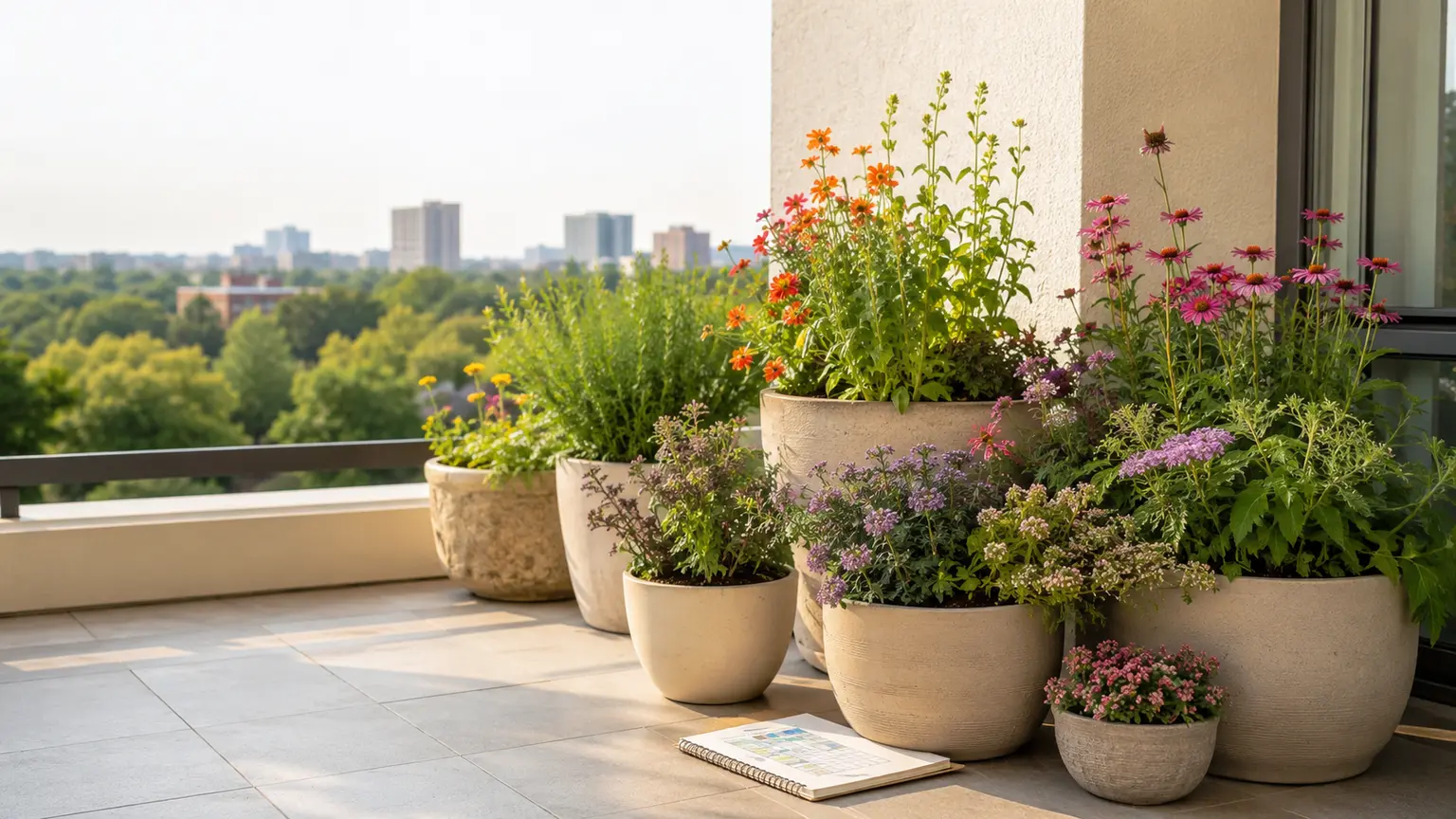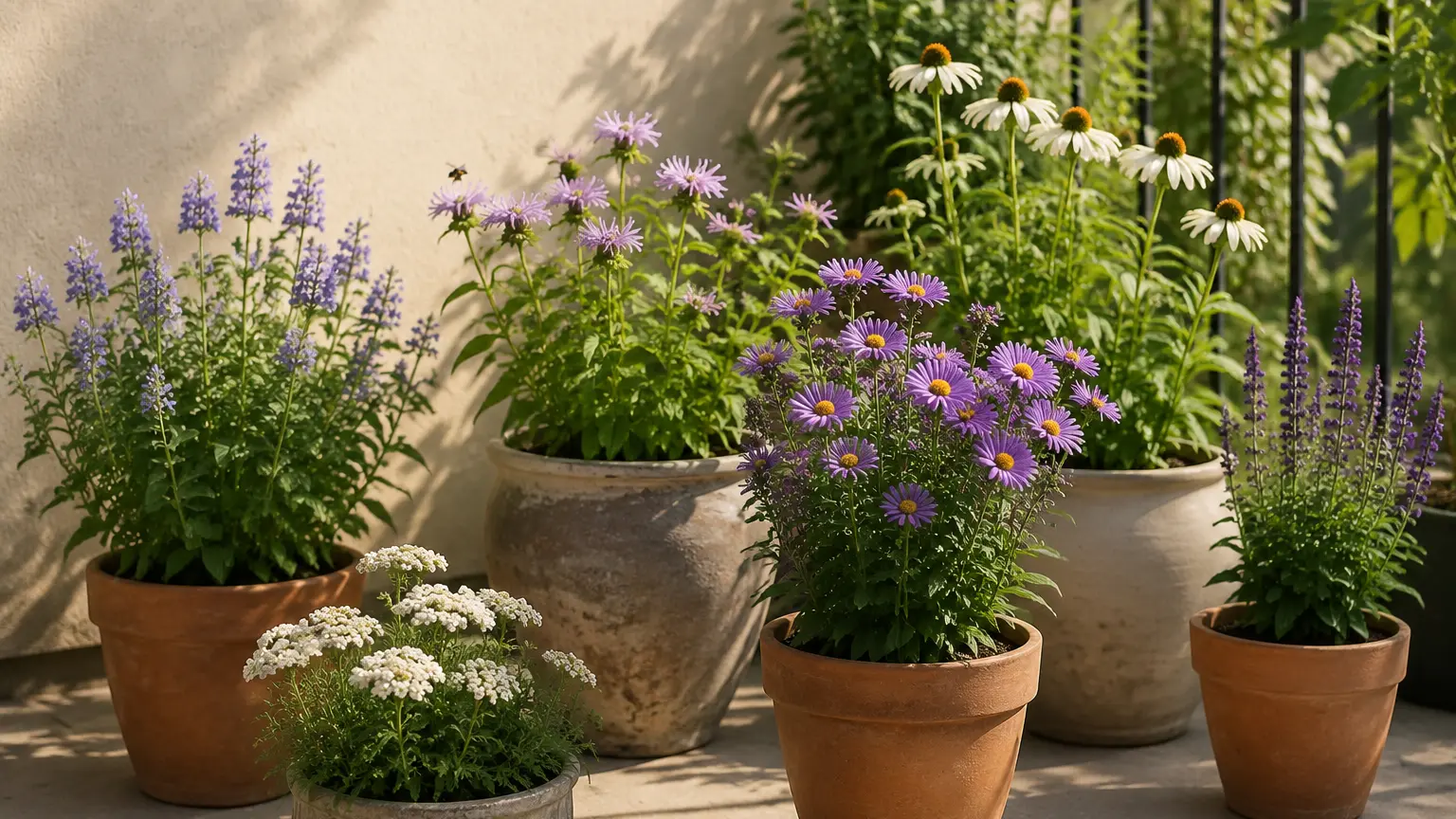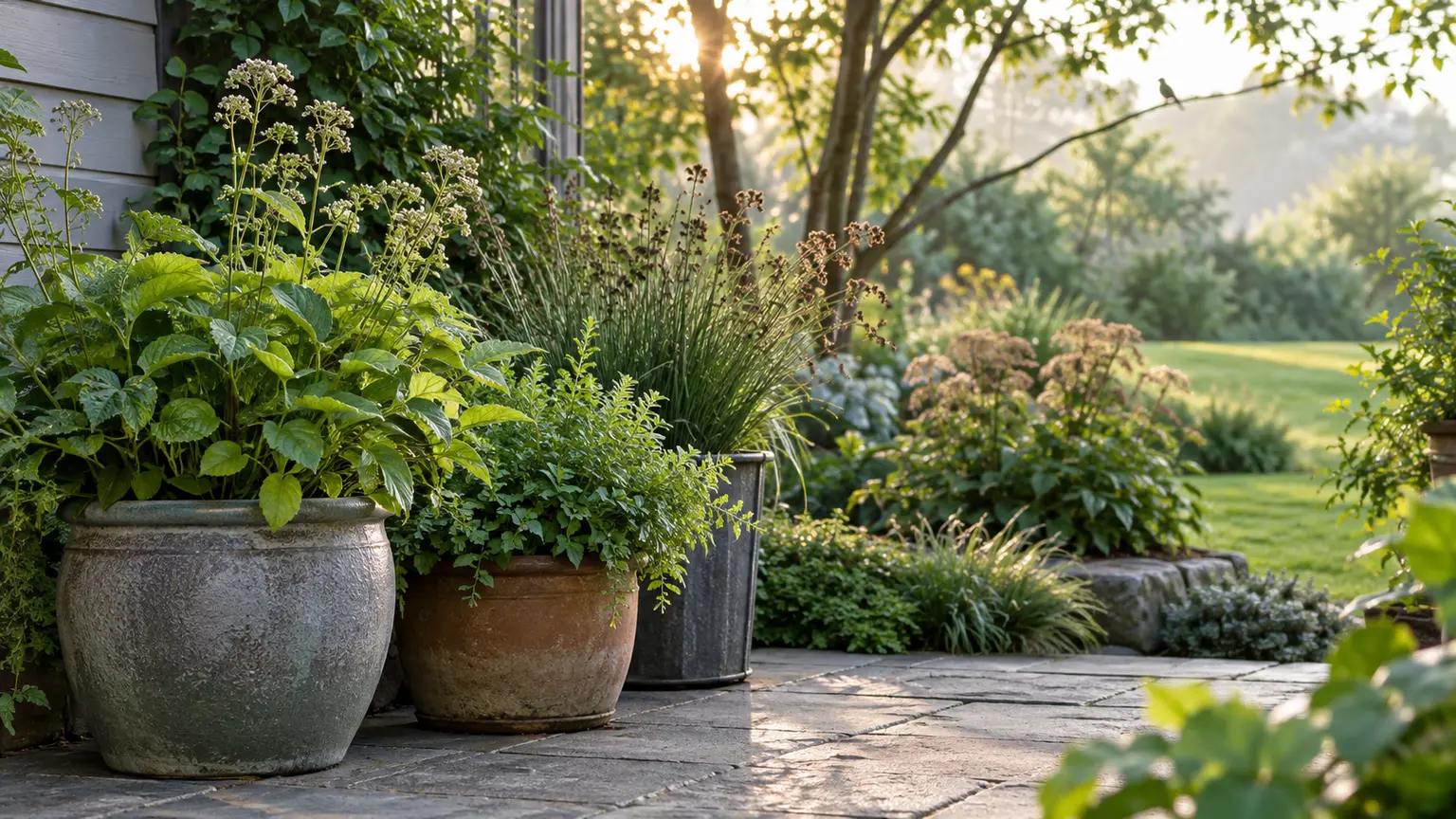
A container garden cannot replace the canopy, nesting cavities, or root space of a mature in-ground tree. It can, however, add useful habitat functions to a patio, balcony, small yard, or overlooked corner. The practical goal is not to buy a plant that promises to “attract birds.” It is to build a locally appropriate planting that may offer insects, fruit, seeds, structure, or cover when those resources are available.
The most reliable way to begin is with a research process rather than a national list of supposedly bird-friendly plants. Native status, invasive-plant concerns, climate, mature size, and container performance all vary by location. Use this guide alongside How to Find Native Plants That Can Grow Well in Containers in Your Region to create a short candidate list for your own state or region.
Start with a local candidate pool—not a bird-attraction shopping list
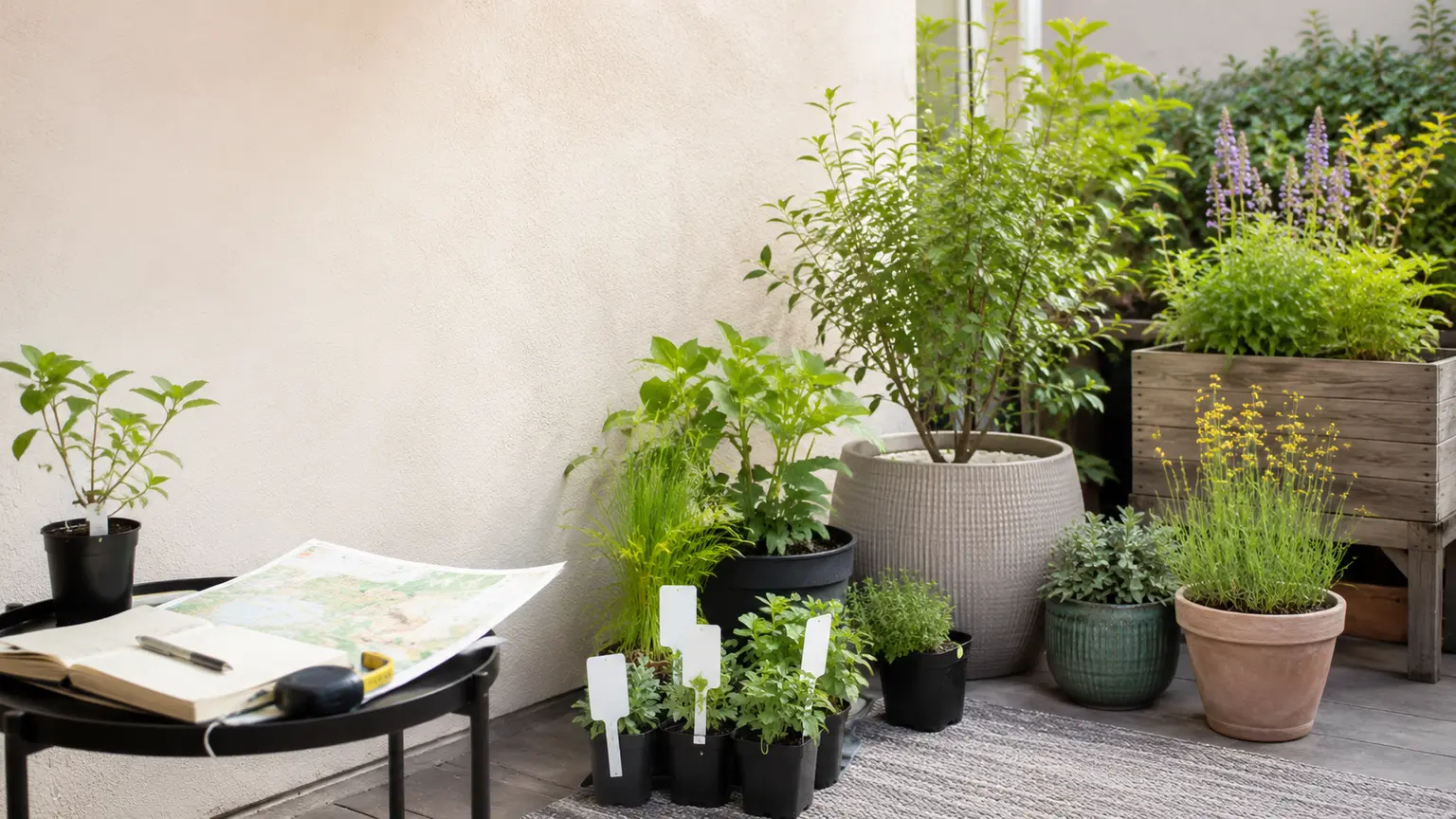
First, write down your state, broader region, or ecoregion and the conditions of the proposed container site. Then consult a state or regional native-plant authority, a local Extension service, and reputable native-plant nurseries. Confirm that each candidate is documented as native to the area where you live—not merely native somewhere in the United States.
When practical, ask a nursery where its plants came from or whether local provenance is available. The appropriate sourcing distance is regional guidance, not a single national rule, so treat provenance as useful information rather than a universal pass-or-fail test. Before purchasing, also check your state’s invasive-species resources. Status and regulations can differ among states, and a plant sold in one area should not automatically be assumed suitable elsewhere.
- Record the site’s state or region and the container’s approximate location.
- Note hours of direct sun, reflected heat, wind exposure, and access to water.
- Find local references that document native range and container suitability.
- Ask whether the nursery can provide information about plant source or provenance.
- Check relevant state invasive-species lists before buying.
- Keep three to six candidates for closer comparison instead of shopping from a generic national list.
Score plants by the jobs they can do across the year
Flowers are only one part of the evaluation. For spring planting, insect-host value deserves equal attention because caterpillars and other insects associated with native plants can provide important food for birds during the breeding season. A plant with modest flowers but documented insect relationships may contribute more to a seasonal habitat plan than a plant chosen for bloom display alone.
Other candidates may provide fruit, seeds, or nuts at different times. Dense stems or foliage can add structure, although a container should not be described as guaranteed nesting habitat. Think in terms of complementary functions: one plant might support insects in spring, another might retain seeds later, and a third might provide denser structure where the container has enough room.
| Criterion | Questions to research | Why it matters |
|---|---|---|
| Spring and summer insects | Is the plant documented as an insect host or associated with insects used by birds? | It can add potential prey during periods when birds are feeding young, although production varies with weather, plant age, and site conditions. |
| Fruit timing | Does it produce fruit, and when does it typically ripen in your region? | Timing can extend seasonal food value, but fruiting is not guaranteed every year. |
| Seeds or nuts | Does it form persistent seed heads or other bird-relevant crops? | Seeds may remain available after flowering, especially if they are not removed immediately. |
| Cover and structure | Does the plant become dense enough to add visual or physical structure at its mature size? | Structure may make a small space more useful, but it does not replace mature trees or guarantee bird use. |
| Seasonal maintenance | Can stems or seed heads remain in place safely through winter? | Leaving some material can extend habitat value, subject to local safety, rules, and site conditions. |
| Evidence | Which local Extension, native-plant, or habitat source supports each claim? | A documented function is more useful than a nursery label or broad marketing promise. |
Use the scorecard to select a combination of functions, not a single “best” species. If your shortlist has only flowering value and no information about insects, fruit, seeds, or structure, continue researching. Conversely, do not reject a plant simply because it does not provide every function. A compact arrangement can contribute incrementally to the surrounding habitat.
Reject plants that do not fit the container or microclimate
A nursery pot shows a plant’s current size, not the space it will need. Compare each candidate’s mature height and spread, root requirements, growth habit, and likely water demand with the container you can realistically provide. Restricted roots can reduce growth, flowering, and fruiting. A plant that cannot mature or stay healthy in its pot is unlikely to deliver consistent habitat value.
Container plants also face sharper swings than plants in garden soil. Paved surfaces, walls, rooftops, and balconies can add reflected heat; wind can increase drying; and winter temperatures may affect roots more severely. A regionally native plant may still fail in a hot, exposed, poorly drained, or neglected container.
- Measure the available width and height, including the plant’s mature spread and any access clearance.
- Choose a container with enough depth and volume for the specific plant’s root needs rather than selecting by the nursery pot size.
- Confirm that the pot drains freely and that the site does not leave the container standing in water.
- Match the plant to actual light conditions, including reflected heat and seasonal shade.
- Estimate how often you can check and water it during hot, dry, or windy weather.
- If combining plants, group only candidates with compatible light, moisture, drainage, and growth requirements.
- Check whether the plant will need repotting, replacement, overwintering protection, or eventual planting in the ground.
A mixed container is not automatically more useful than a single plant. Competition for root room and mismatched watering needs can reduce the health of the entire arrangement. Start with plants that can share the same microclimate, and leave enough space for mature growth rather than filling the pot based on its appearance on planting day.
Build seasonal value into routine care
Regular care protects the habitat functions you selected. Check moisture according to the plant, pot, weather, exposure, and growth stage instead of following a fixed national schedule. Containers often dry faster than in-ground beds, particularly in exposed locations. Watch the plant and the growing medium, and adjust care when conditions change.
Some leaf feeding by insects can be part of the purpose of a bird-supporting planting. Where plant health allows, avoid treating every chewed leaf as a problem. If a pest issue develops, identify the problem first and use control measures only when necessary, following product-label directions. Pesticides can affect non-target wildlife, so avoid broad or unnecessary applications and do not use homemade mixtures or off-label treatments.
At the end of the growing season, consider whether seed heads and standing stems can remain in place. Illinois Extension describes leaving potted plants standing through winter and cutting them back in early spring as one way to extend seasonal value and provide habitat for overwintering insects. This is not a universal rule: follow local weather and plant-health considerations, and check fire-safety requirements, building rules, balcony restrictions, and property-maintenance policies before leaving dry material in place.
Observe, then revise the planting
After planting, keep notes through the seasons. Record when insects appear, whether seed heads persist, how quickly the container dries, and which parts of the planting remain healthy. You may notice habitat value before noticing birds, or you may see no obvious bird use at all. Surrounding habitat, weather, season, plant maturity, and the building setting all influence what happens.
Use those observations to refine the mix. Replace a plant that repeatedly fails in the microclimate, add a complementary seasonal function when space allows, or simplify a crowded container. The result is not a guaranteed bird destination. It is a better-matched local planting that can contribute food, insect habitat, seeds, or structure within the limits of a small space.
Sources and further reading
- www.audubon.org — www.audubon.org
- content.ces.ncsu.edu — content.ces.ncsu.edu
- extension.illinois.edu — extension.illinois.edu
- dnr.illinois.gov — dnr.illinois.gov
- www.epa.gov — www.epa.gov
- ext.vt.edu — ext.vt.edu
- www.invasivespeciesinfo.gov — www.invasivespeciesinfo.gov
- content.ces.ncsu.edu — content.ces.ncsu.edu