How to Leave Safe Overwintering Habitat in a Small Garden
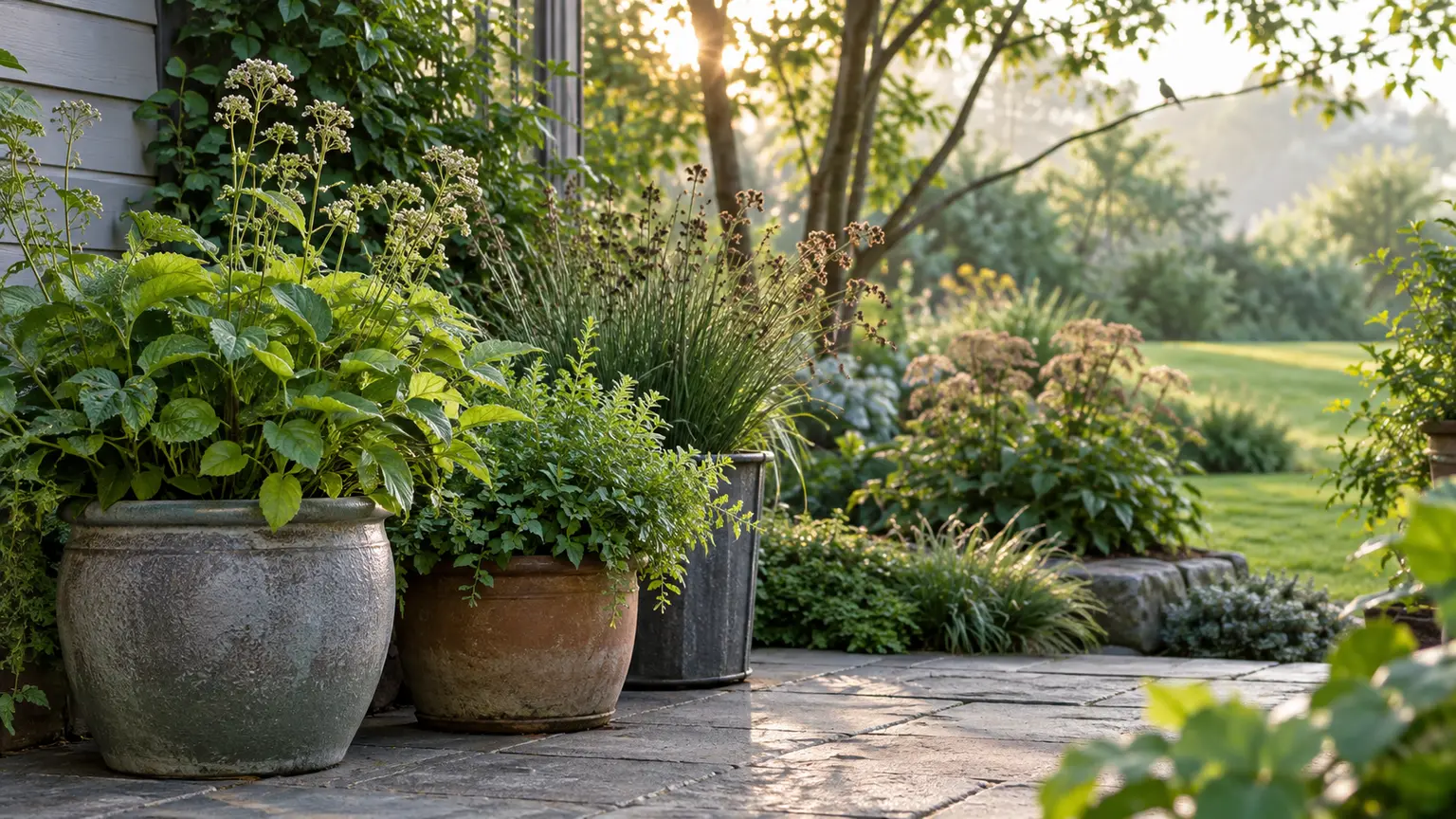
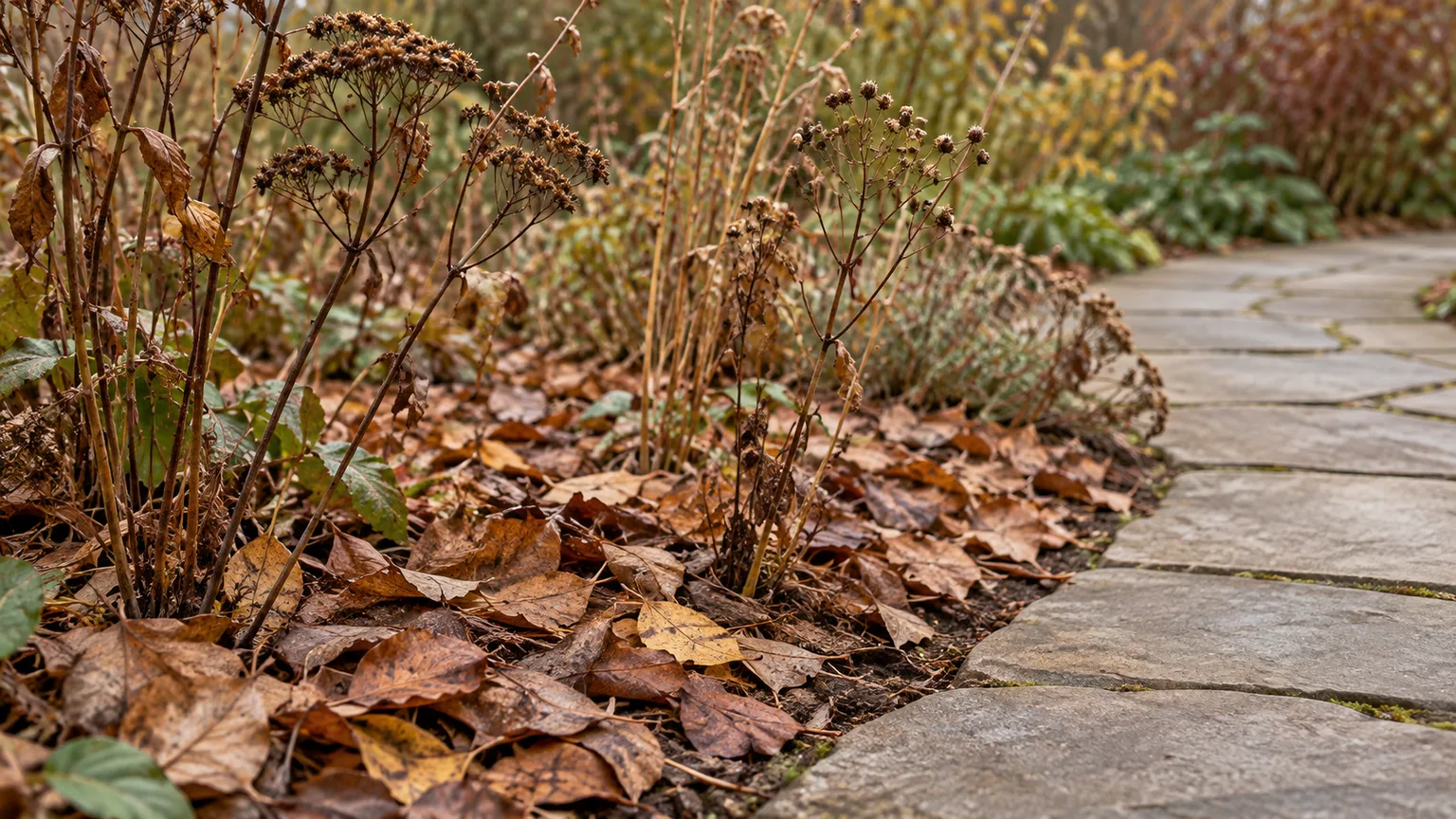
Plan selective fall cleanup in a small garden: retain healthy leaves and stems where appropriate, keep access clear, and account for local plant-health and fire guidance.
Small spaces. Real habitat.
Practical, region-aware ideas for turning patios, balconies, compact yards, and forgotten corners into climate-smart places that grow.
Evidence-minded guidance, grounded in local conditions.
Free seasonal worksheet
Check your pots, choose what to leave in the garden and record what needs attention. Includes a two-page checklist and planning sheet.
Get the winter garden checklistFind your way in
Field notes for everyday spaces
Careful steps, useful context, and no need for a sprawling yard.
Plan selective fall cleanup in a small garden: retain healthy leaves and stems where appropriate, keep access clear, and account for local plant-health and fire guidance.
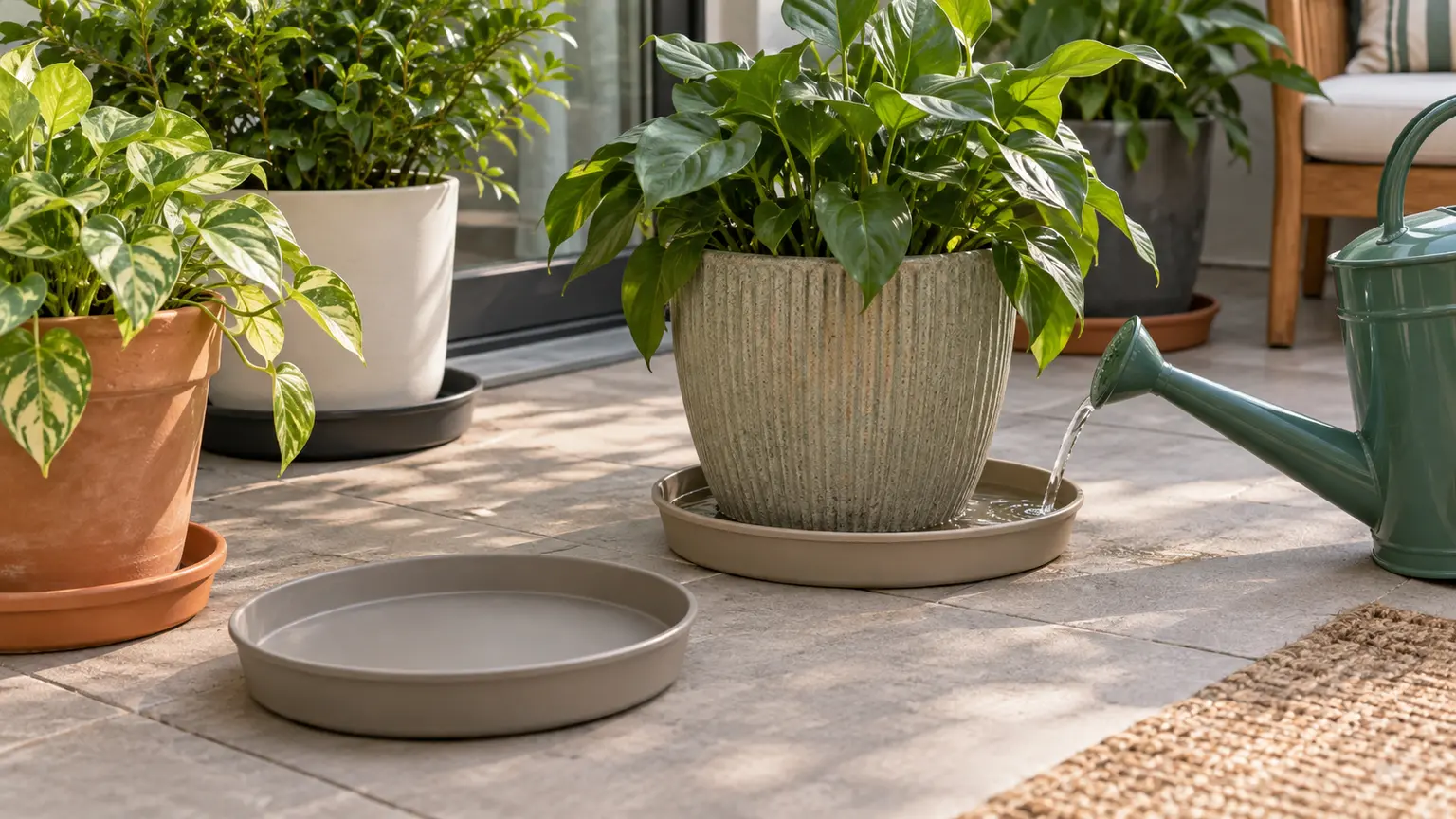
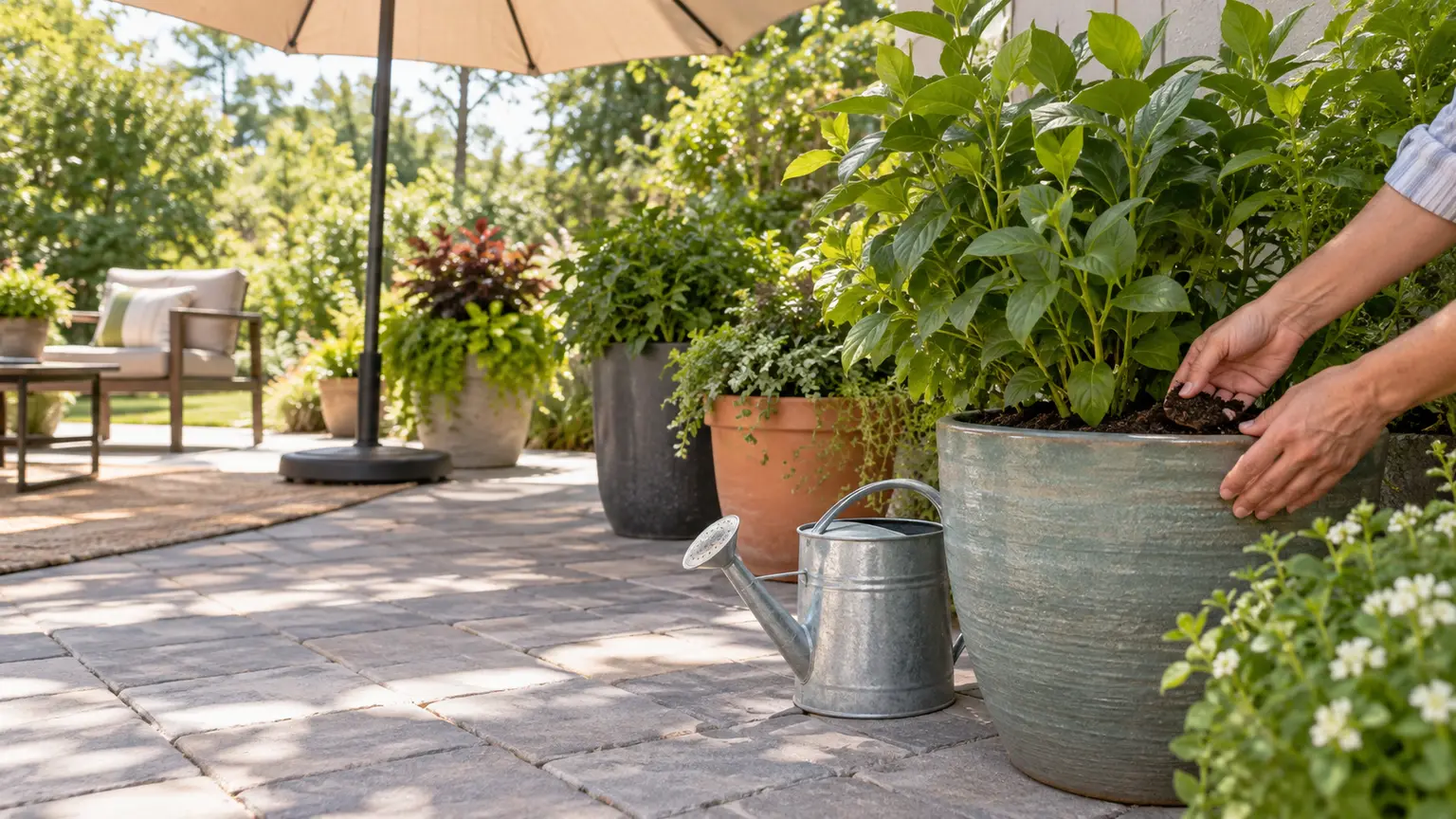
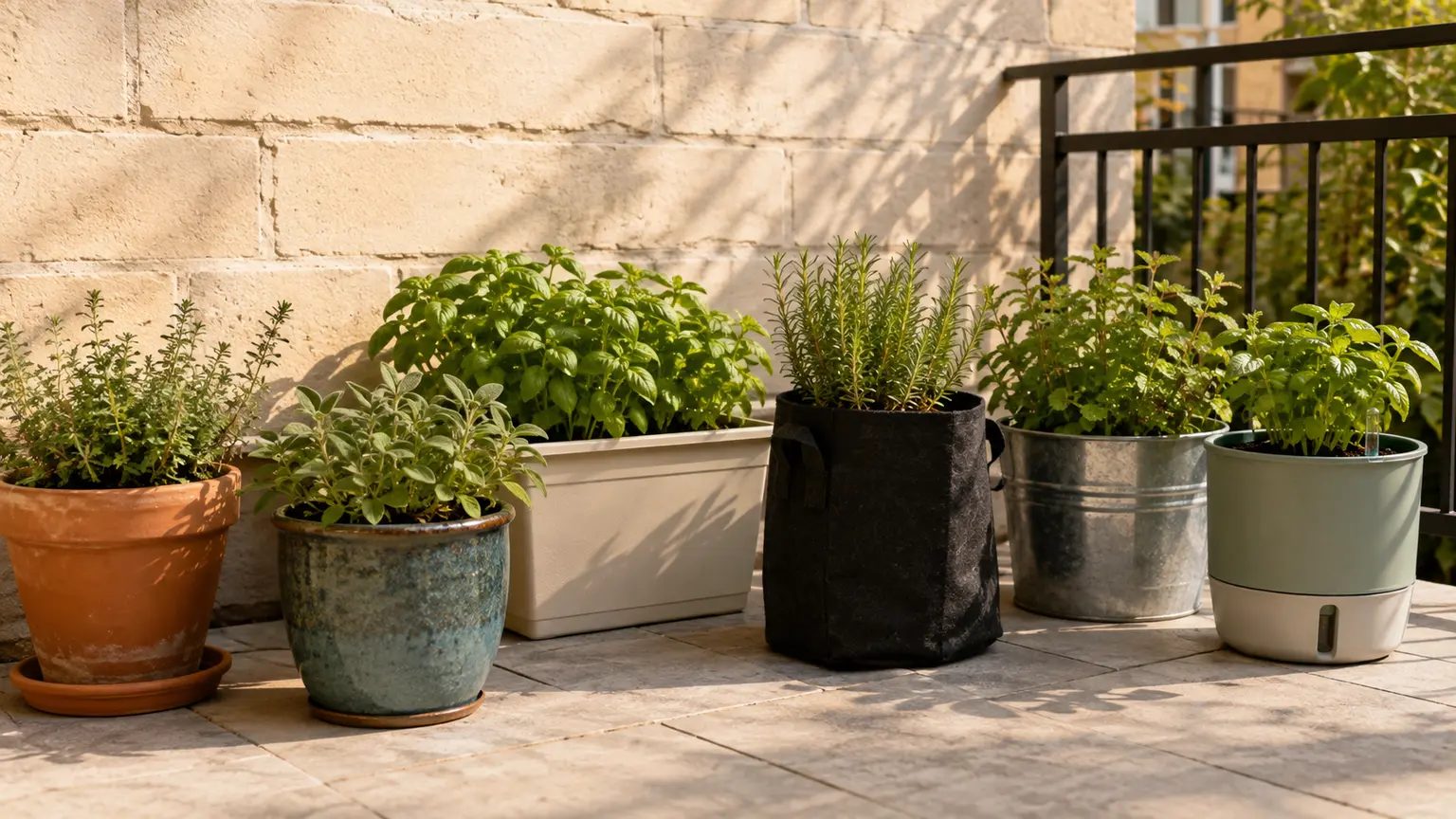
Choose a container by considering mature plant size, root habit, depth, stability, drainage, and watering capacity—not just the pot a plant came in.
A practical, renter-friendly routine for controlling balcony runoff with removable trays, careful watering, clear disposal limits, and no unapproved structural changes.
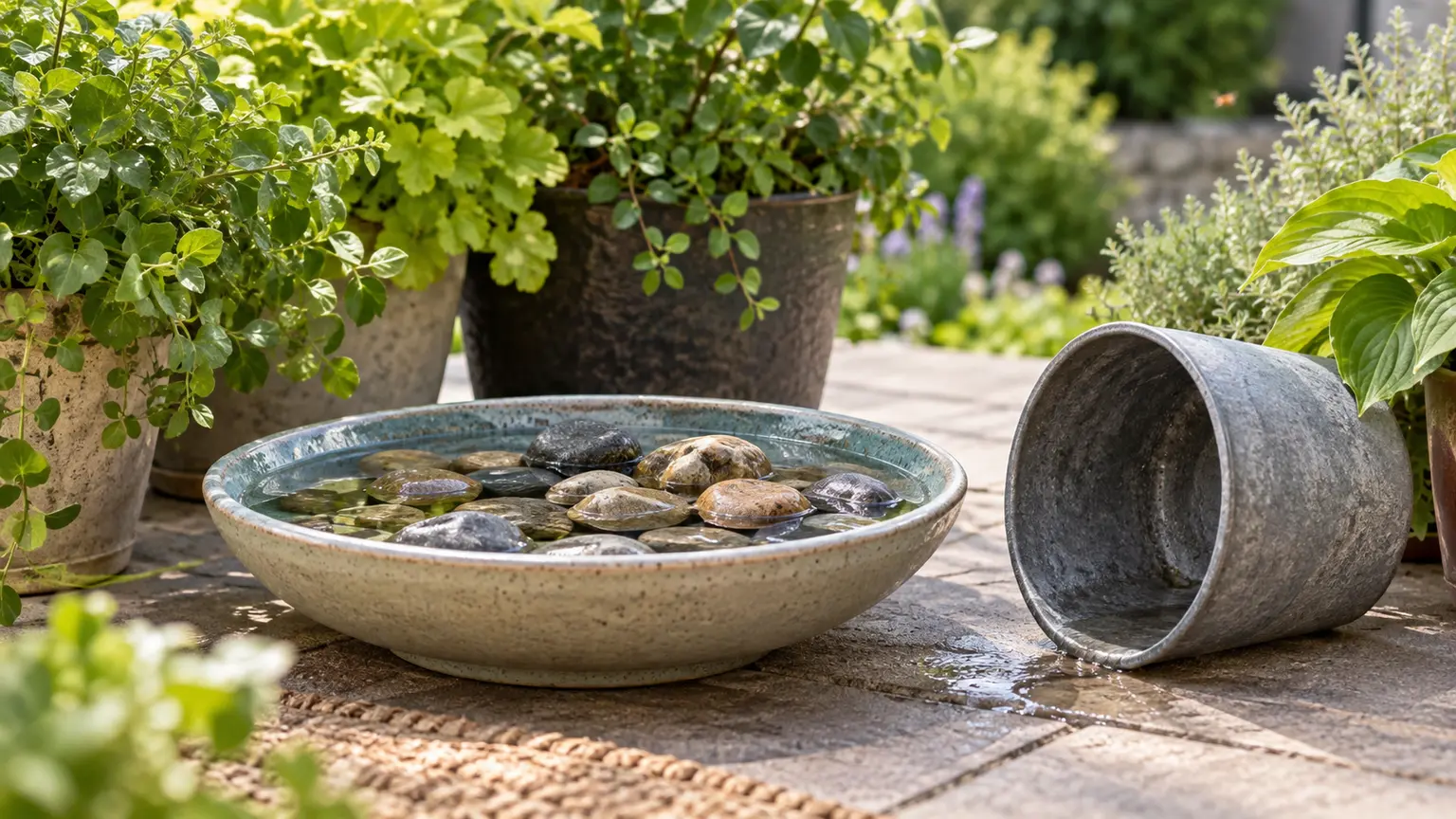
Offer pollinators water in a small yard, patio, or balcony with shallow, resettable designs, damp puddling areas, and a consistent inspection routine for every container that can hold water.
Native status is only the first screen. Use this local-filter workflow to match a container plant to your region, pot, exposure, root behavior, maintenance capacity, and nursery availability.
Build a small, local plant shortlist by checking food, insect habitat, cover, seasonal value, mature size, and container fit—without assuming any plant will guarantee bird visits.
Use observed moisture, exposure, wind, and plant condition—not fixed temperatures or a calendar schedule—to protect container plants through extreme summer heat.
A prevention-first plan for growing healthy patio plants, accepting minor damage, using physical controls, and choosing pollinator-friendly plants with more care.
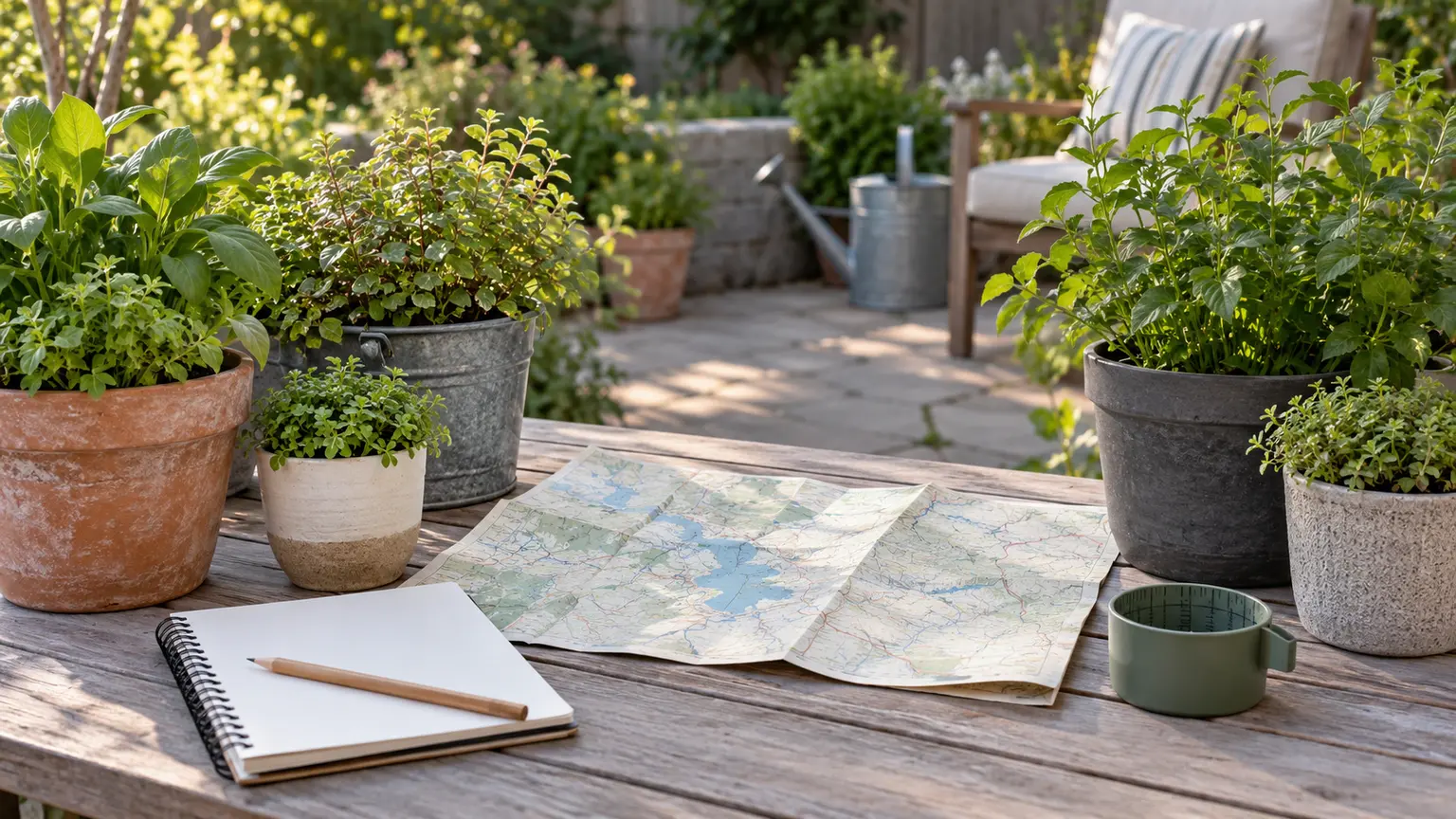
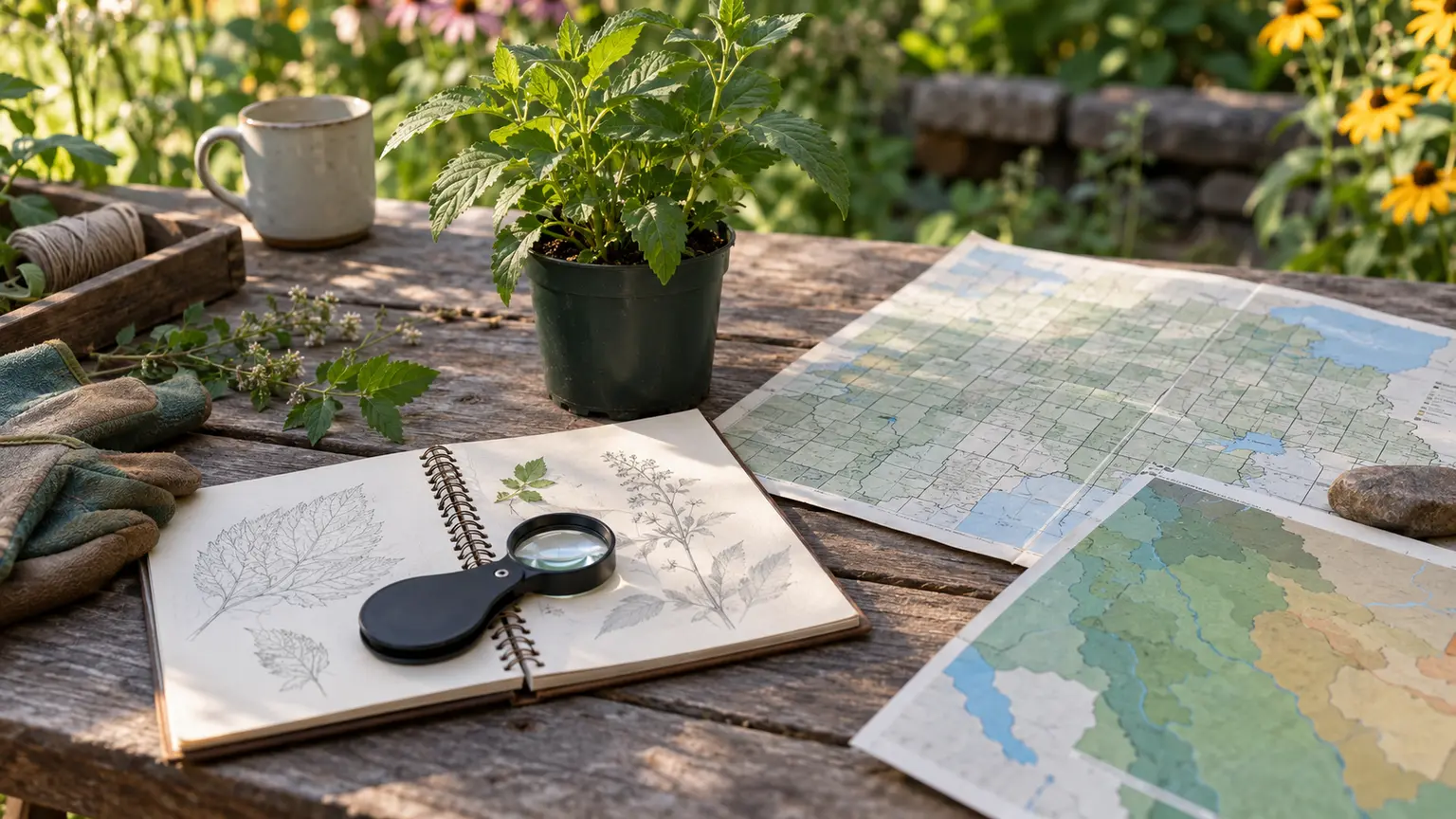
A careful, repeatable way to check plant names, county records, ecoregions, and garden suitability without treating one map or plant tag as the final answer.
Our working principle
“The best small-space garden is not a miniature version of someone else’s yard. It responds to the life, limits, and climate already there.”Why Nature Fits Here