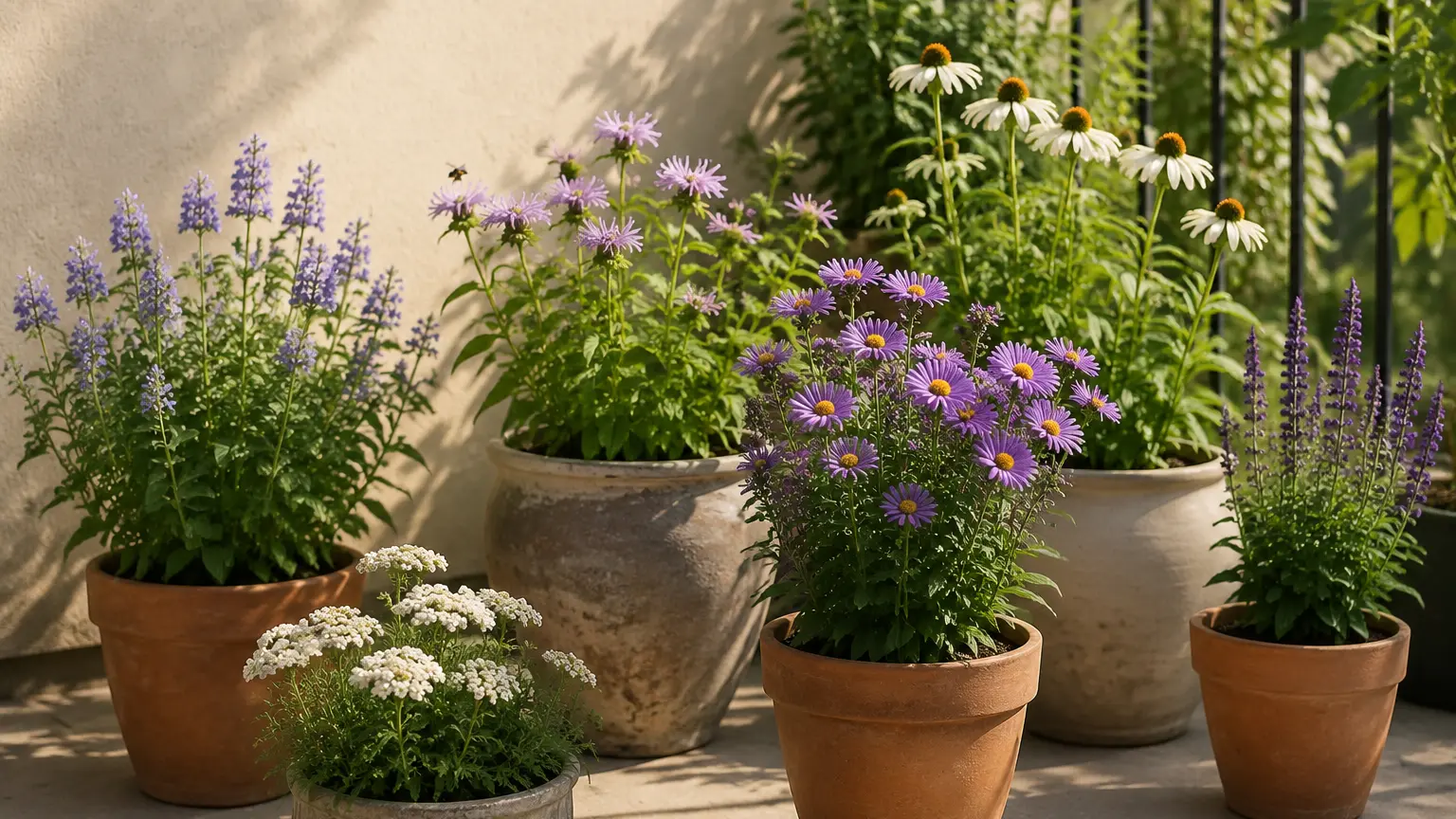
How to Choose Native Perennials for a Pollinator-Friendly Patio Container
A practical U.S. guide to verifying native status, matching patio conditions, choosing container-sized perennials, and planning a flexible flowering sequence.
Small spaces. Real habitat.
Practical, region-aware ideas for turning patios, balconies, compact yards, and forgotten corners into climate-smart places that grow.
Evidence-minded guidance, grounded in local conditions.
Find your way in
Field notes for everyday spaces
Careful steps, useful context, and no need for a sprawling yard.
A practical U.S. guide to verifying native status, matching patio conditions, choosing container-sized perennials, and planning a flexible flowering sequence.
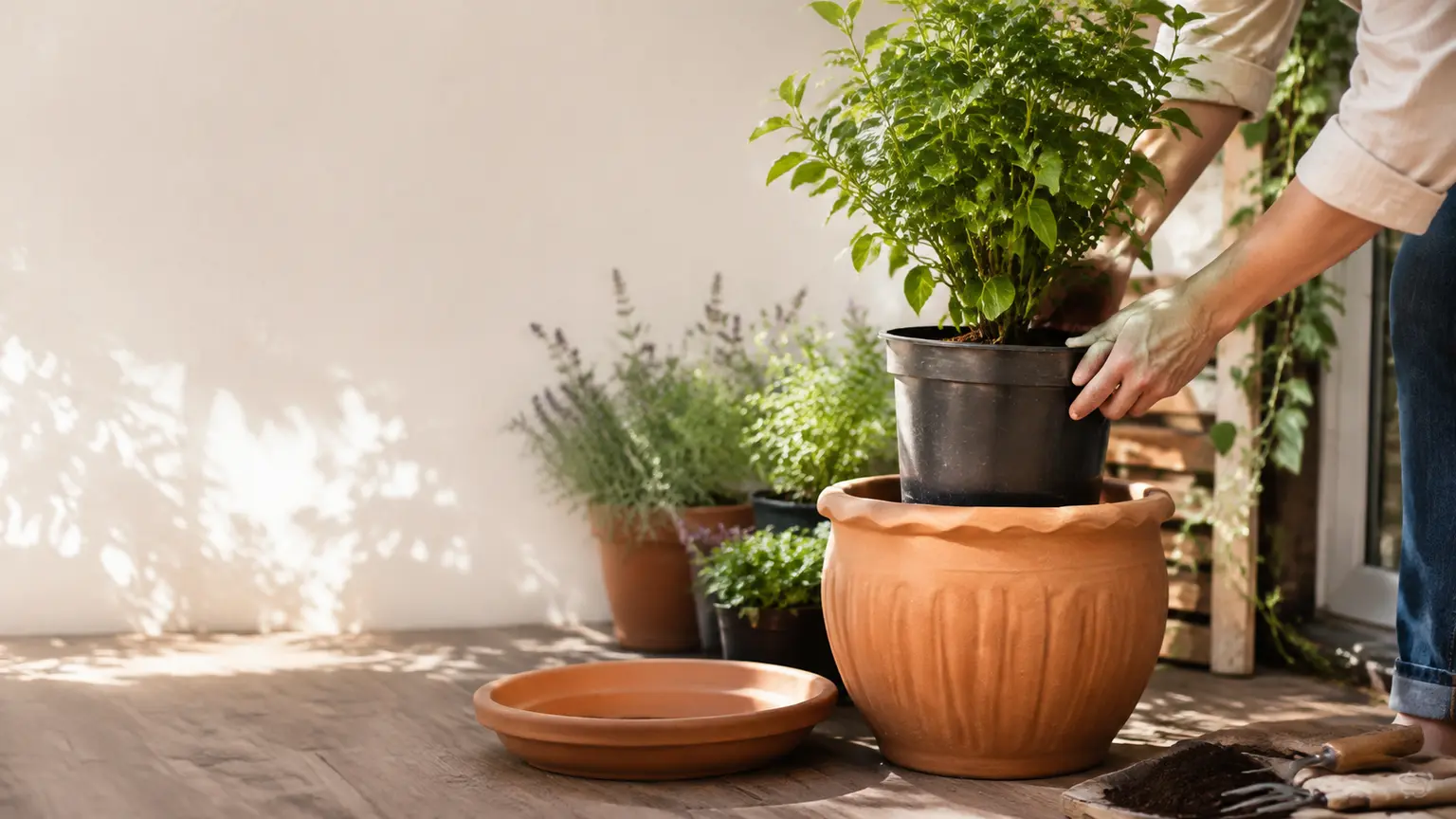
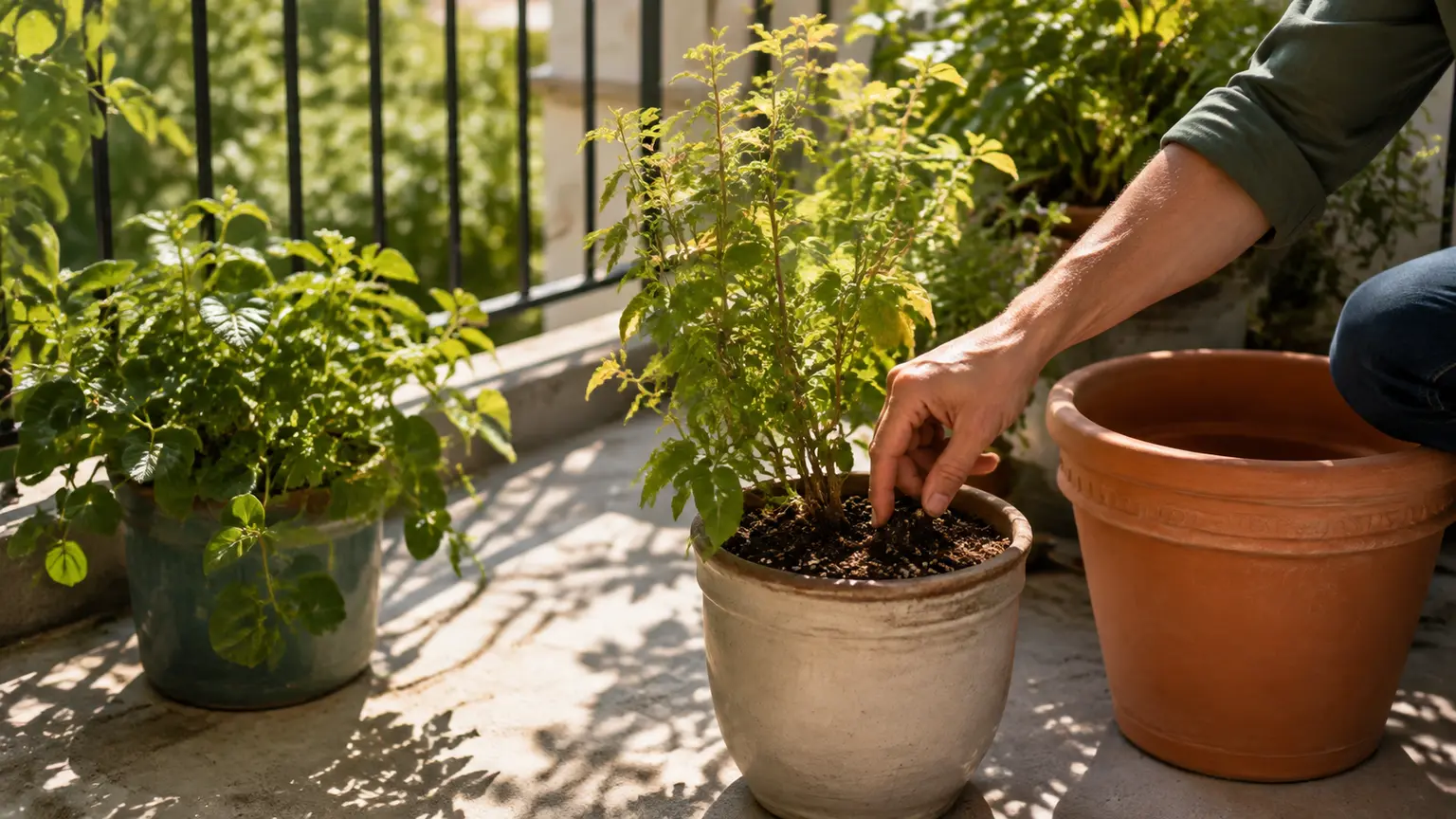
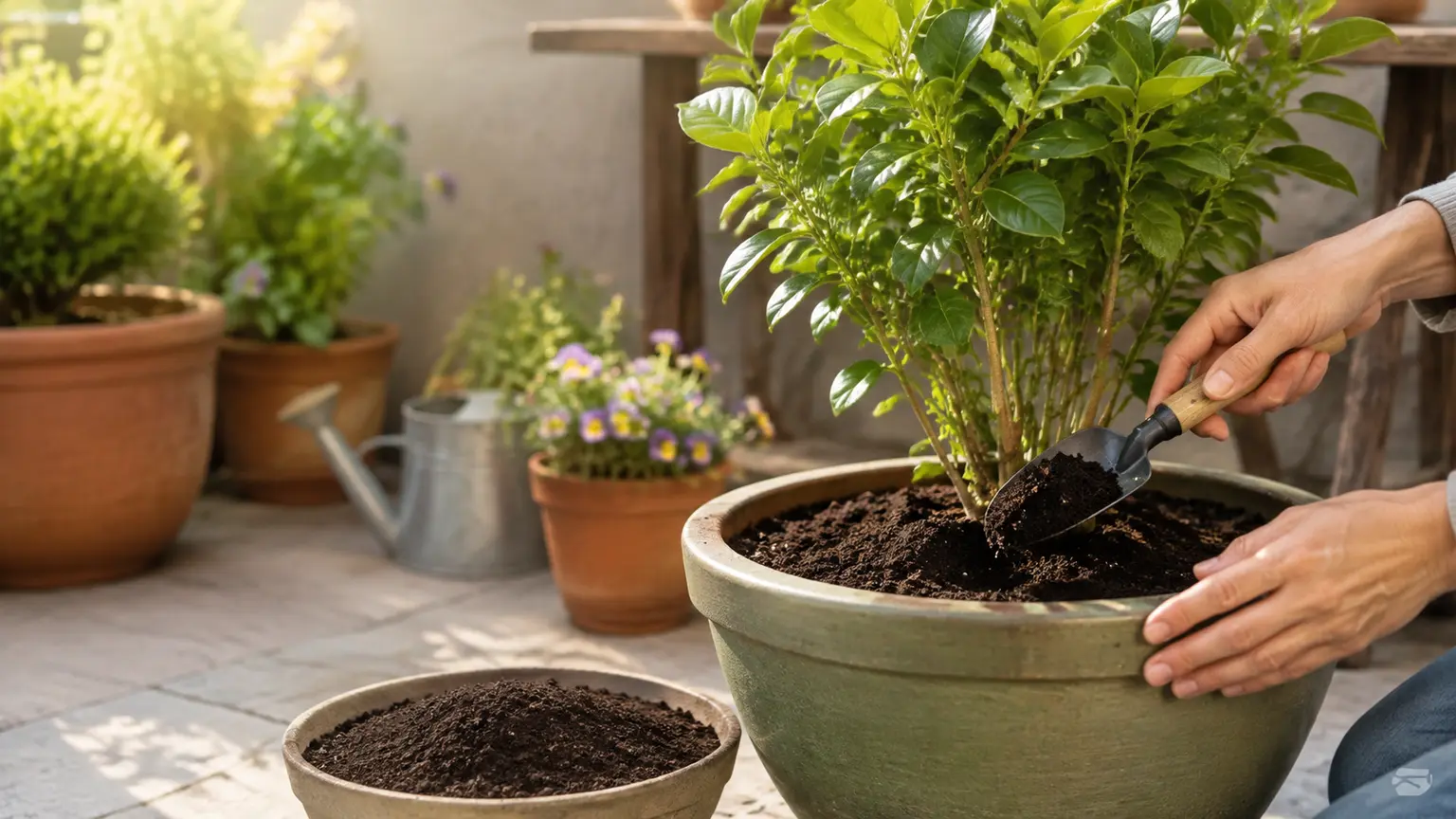
A gentle top-dressing can restore a settled container surface without disturbing an established plant. Learn when it helps, how to protect the crown, and when drainage or root crowding calls for a fuller assessment.
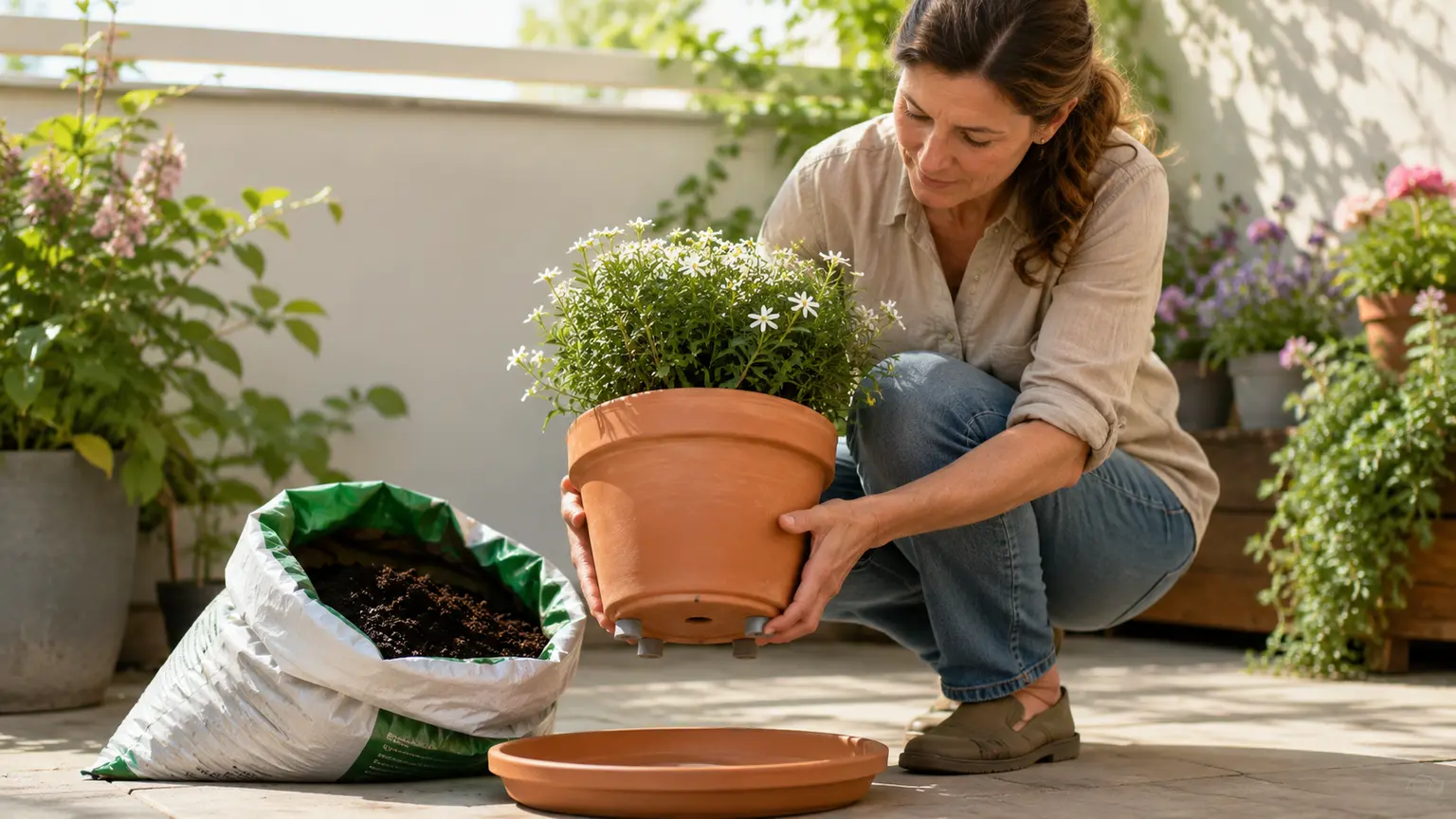
Use a decorative patio planter as a removable cachepot while keeping the plant in a draining nursery pot. Learn how to manage runoff, check moisture, choose a workable fit, and recognize a true self-watering system.
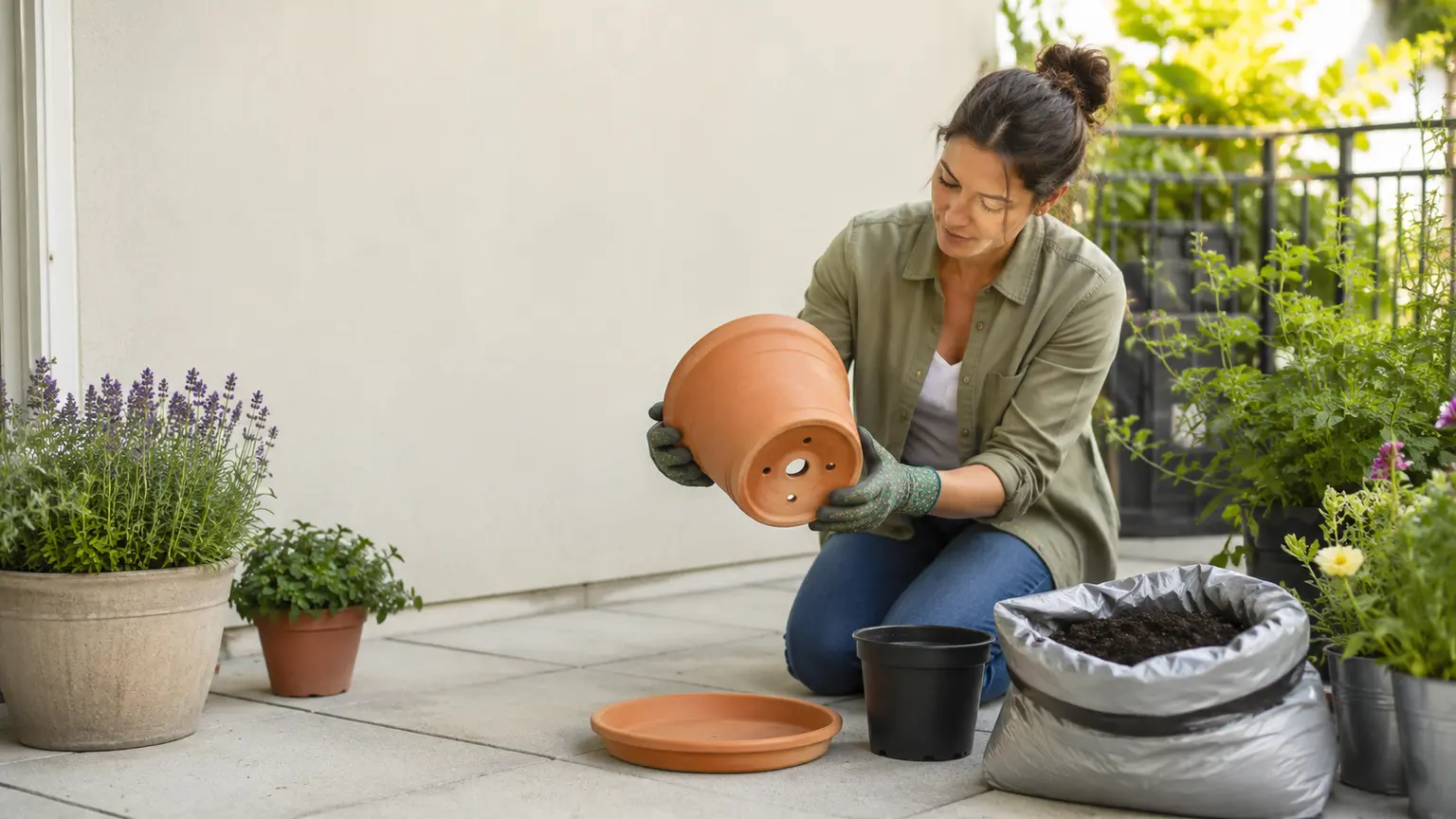
Before filling a patio container, check the growing pot, runoff path, potting mix, and decorative outer vessel. This practical guide helps you spot drainage problems before they affect the root zone.
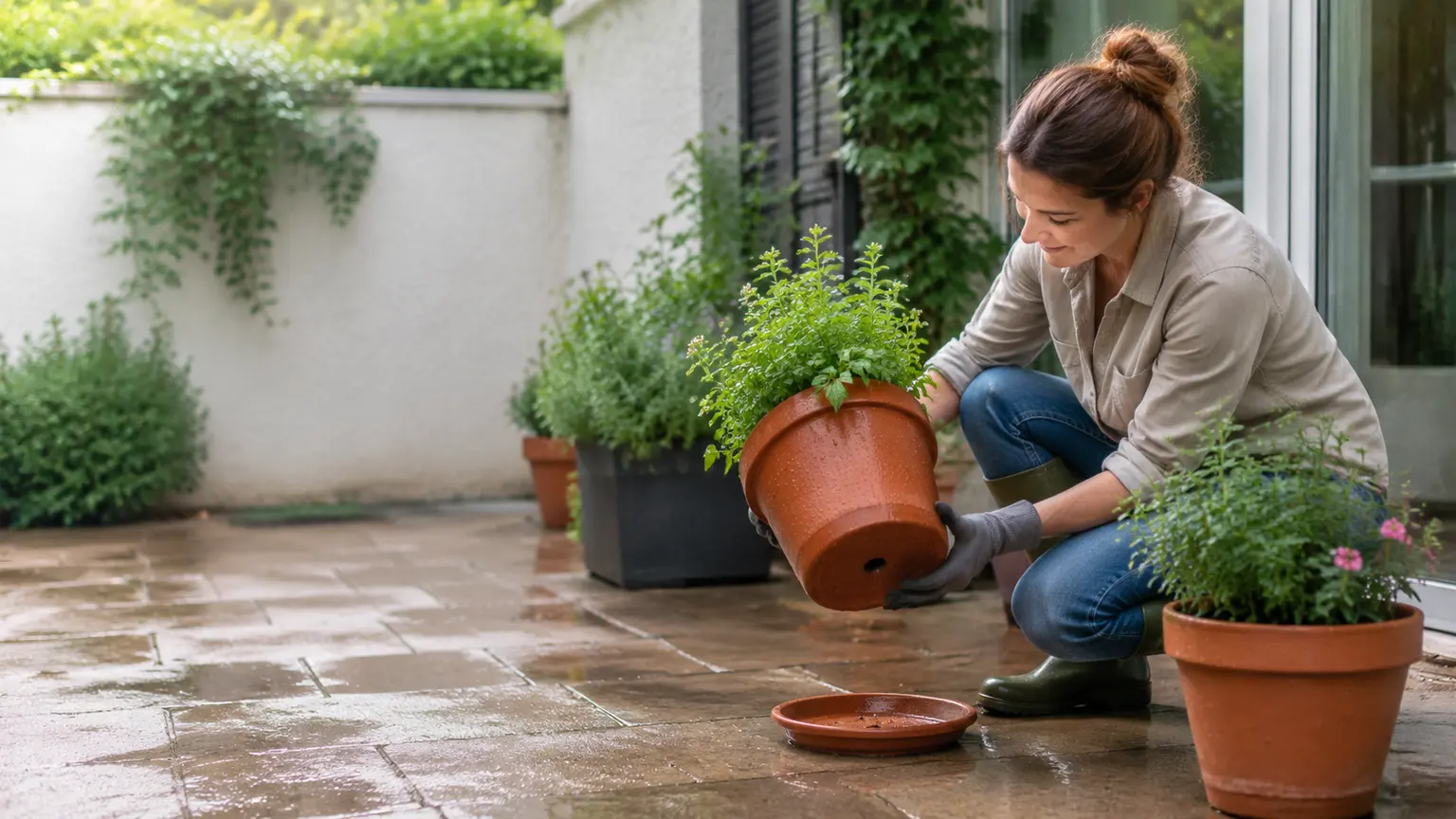
Use patio plant saucers to protect hard surfaces without turning them into standing-water reservoirs. This practical guide covers drainage holes, pot feet, double potting, rain checks, and plant-specific watering decisions.
Better container drainage starts with an open exit path, suitable potting mix, and plant-responsive watering—not a layer of rocks or broken pots.
Wilt is a clue, not a diagnosis. Use this calm, low-risk check to tell whether a container plant needs water, temporary shade, better drainage, or more root room.
A renter-friendly guide to recognizing heat stress and using temporary, movable shade for container plants while preserving airflow, drainage, access, and building-safety rules.
A practical framework for choosing container plants when heat, reflected light, wind, limited root space, drainage, and watering access all matter.
Our working principle
“The best small-space garden is not a miniature version of someone else’s yard. It responds to the life, limits, and climate already there.”Why Nature Fits Here