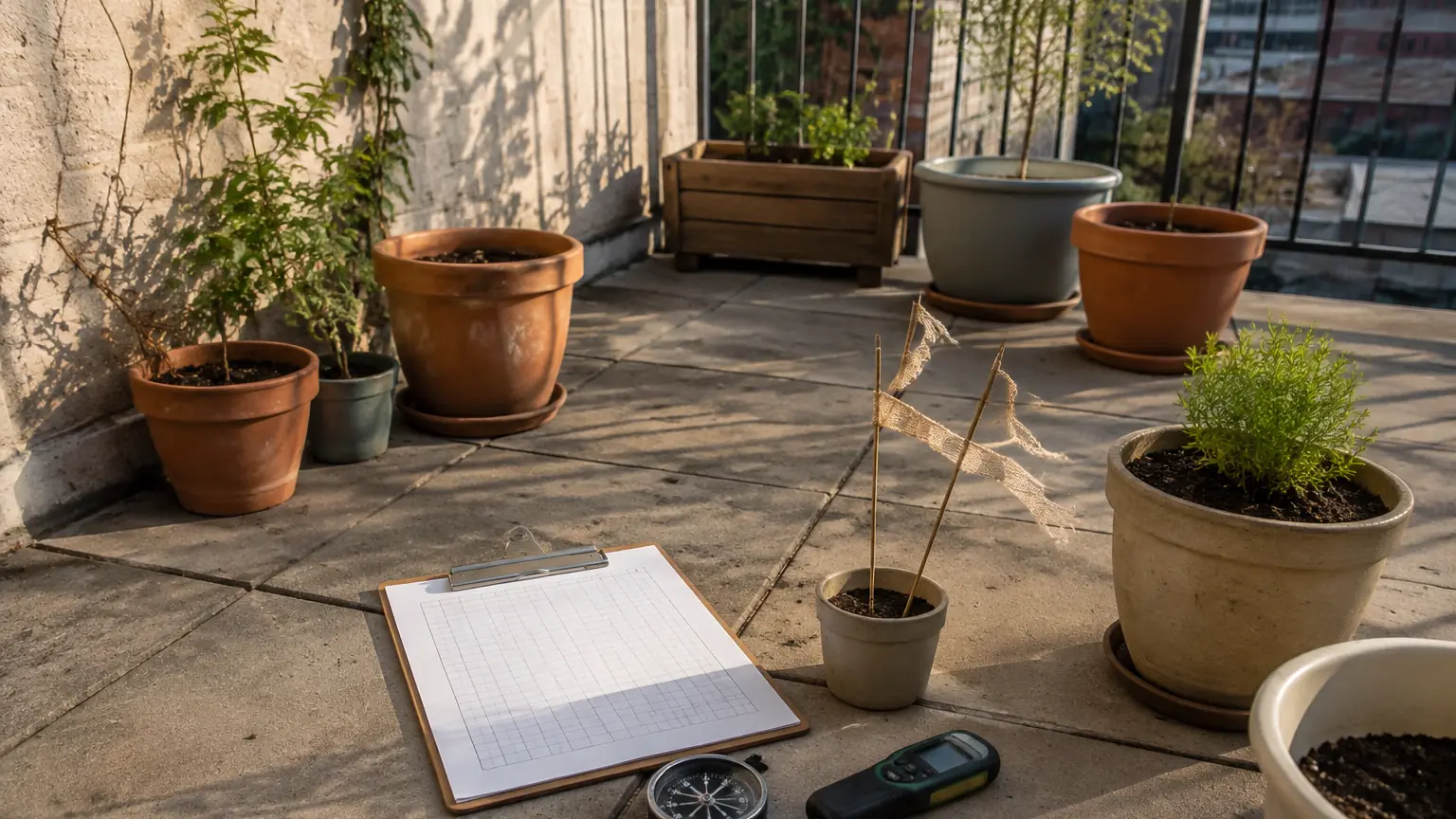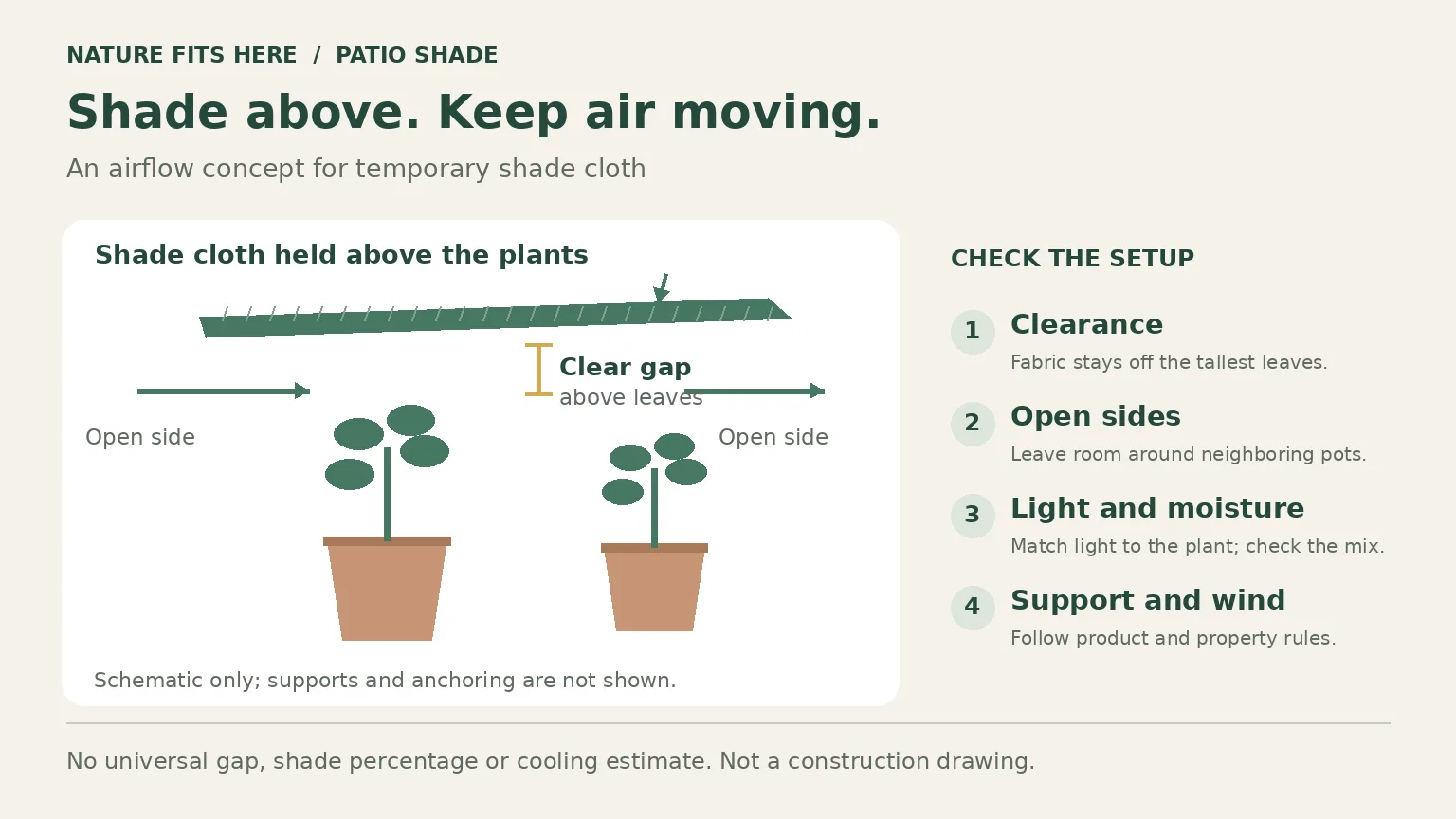
How to Shade Patio Plants During Extreme Heat Without Blocking Airflow
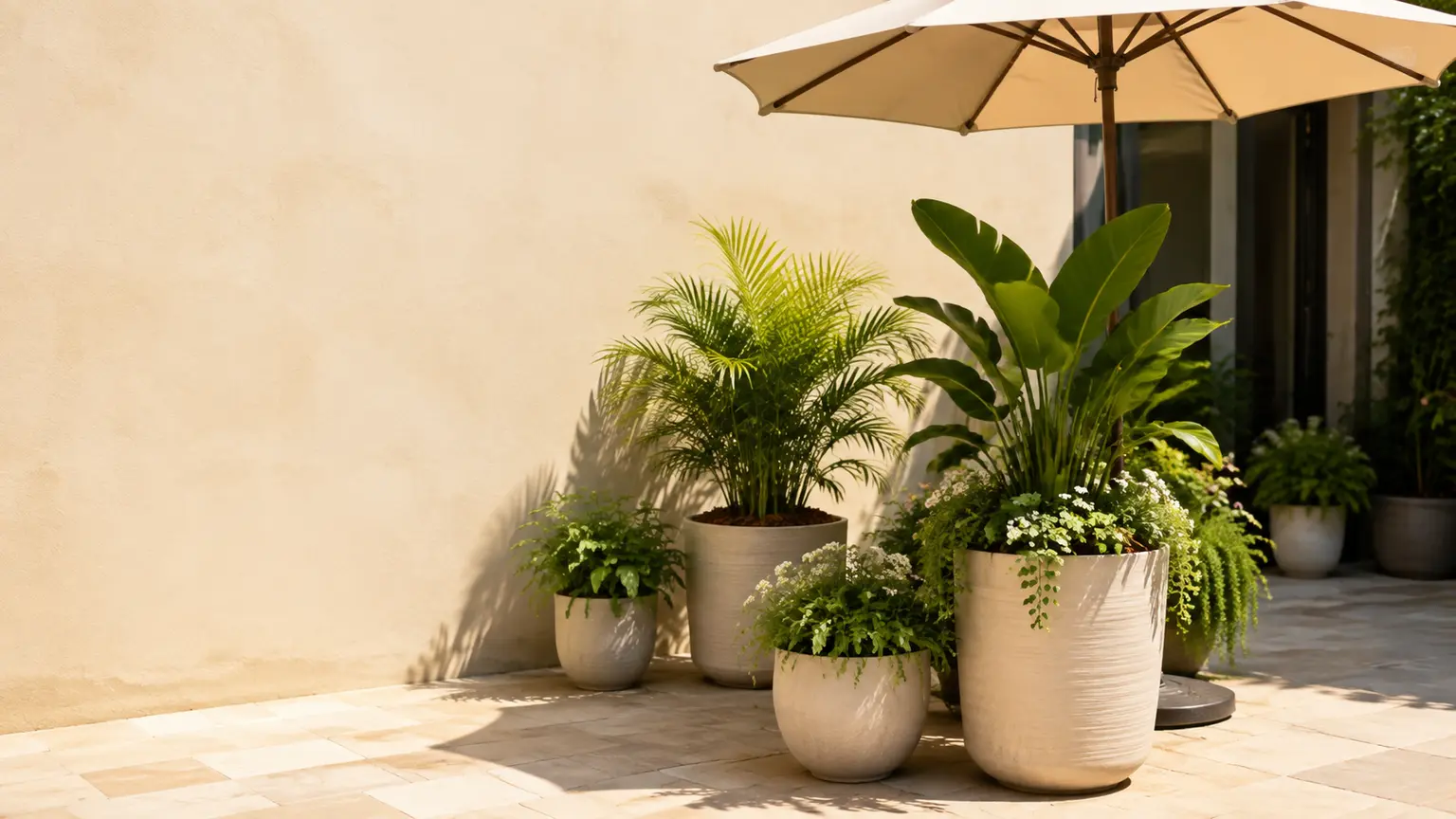
A renter-friendly guide to recognizing heat stress and using temporary, movable shade for container plants while preserving airflow, drainage, access, and building-safety rules.
Small spaces. Real habitat.
Practical, region-aware ideas for turning patios, balconies, compact yards, and forgotten corners into climate-smart places that grow.
Evidence-minded guidance, grounded in local conditions.
Free seasonal worksheet
Check your pots, choose what to leave in the garden and record what needs attention. Includes a two-page checklist and planning sheet.
Get the winter garden checklistFind your way in
Field notes for everyday spaces
Careful steps, useful context, and no need for a sprawling yard.
A renter-friendly guide to recognizing heat stress and using temporary, movable shade for container plants while preserving airflow, drainage, access, and building-safety rules.
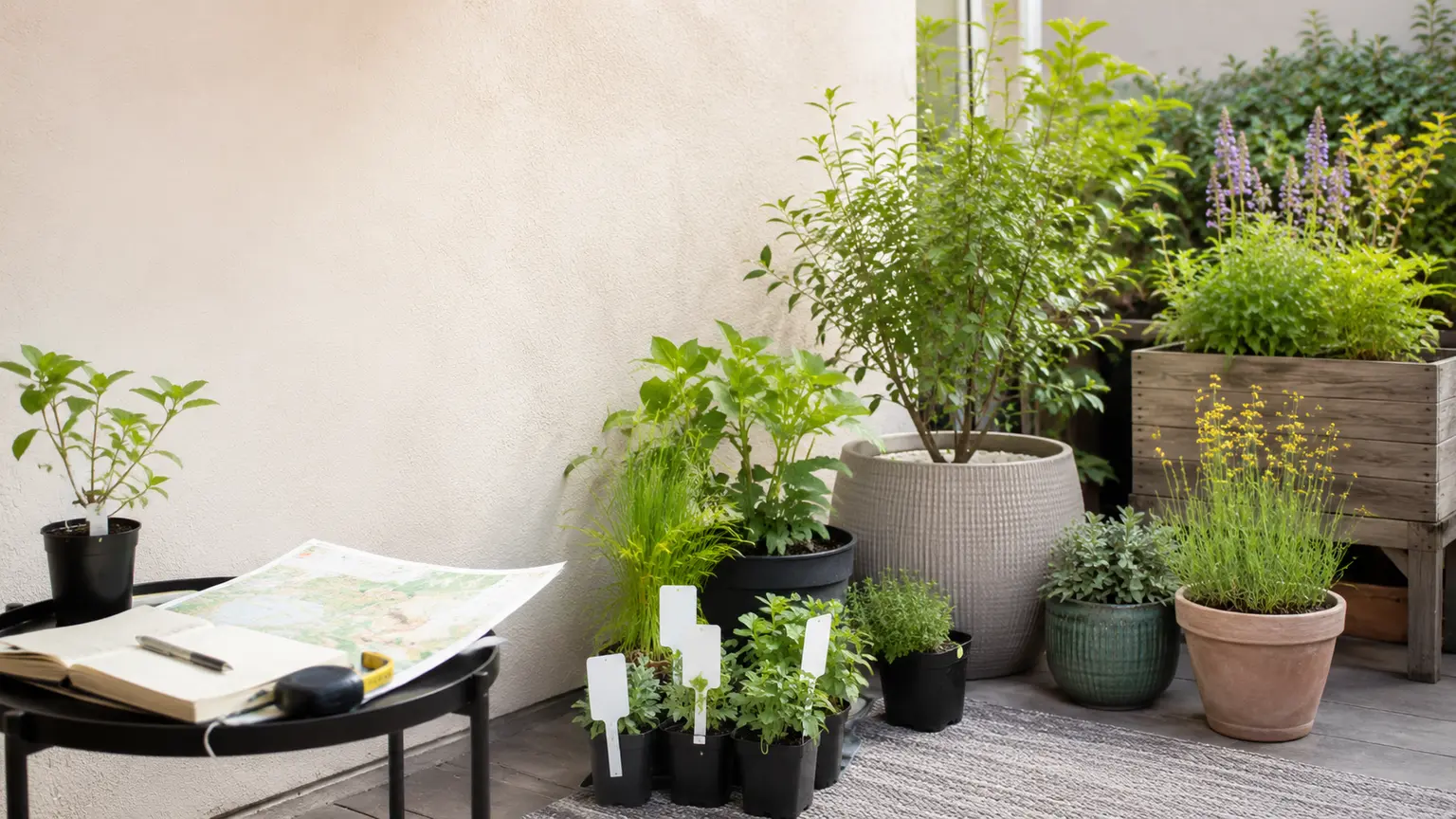
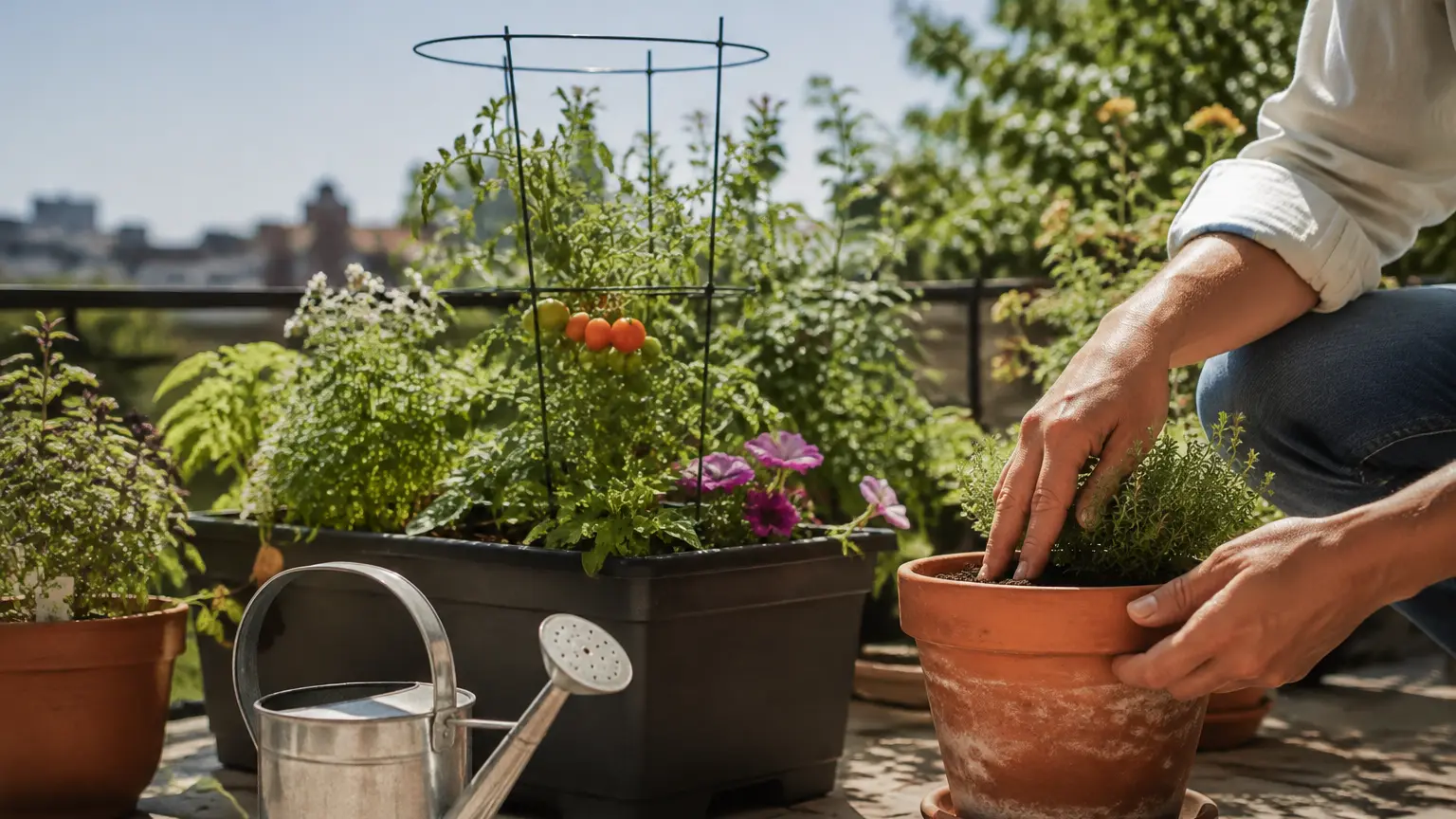
A practical framework for choosing container plants when heat, reflected light, wind, limited root space, drainage, and watering access all matter.
Build a region-specific container plant shortlist using your ZIP code, EPA ecoregion, local Extension guidance, and native-plant nursery resources—then filter candidates for real-world pot conditions.
Use your balcony’s microclimate, regional native-plant tools, and a simple bloom calendar to create a practical pollinator resource without relying on a one-size-fits-all plant list.
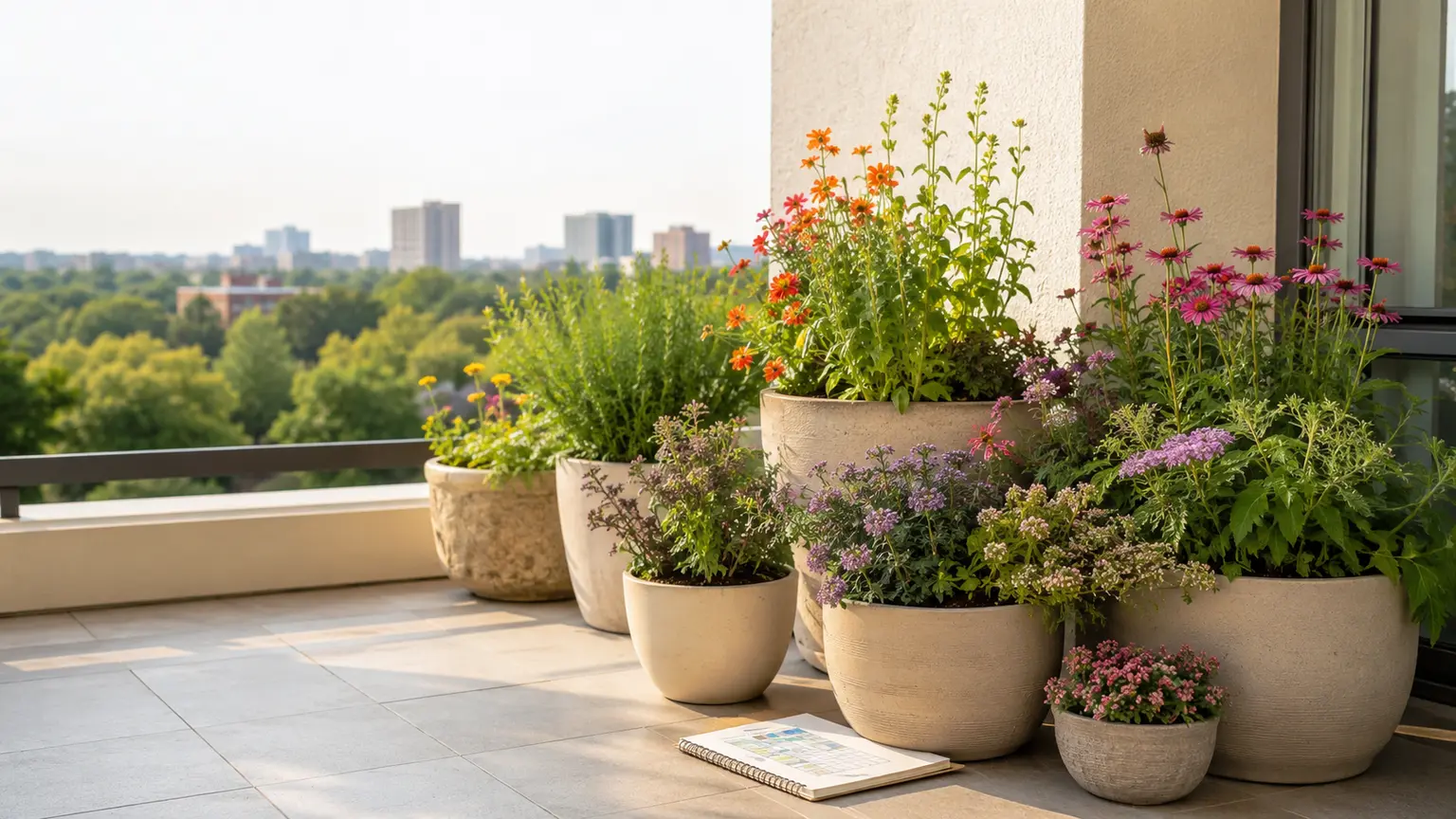
Hot walls and paving can make a small patio harder on container plants than the forecast suggests. Use observation, relocation, temporary shade, and root-zone protection to create a more manageable summer microclimate without altering a rental property.
Use potting-mix moisture, container design, plant stage, and the day’s weather to decide when and how to water patio containers—rather than following a fixed clock schedule.
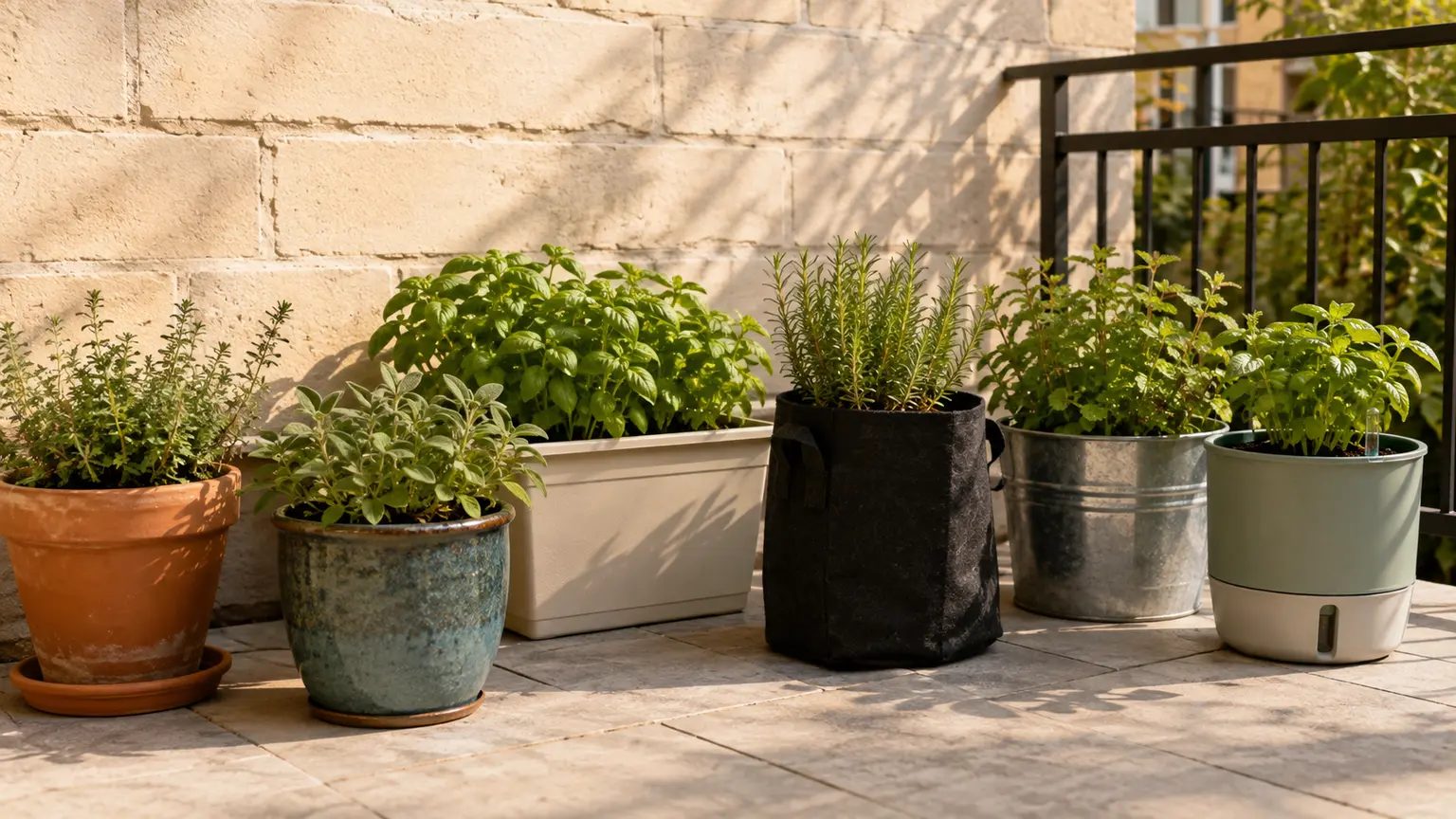
Compare terracotta, ceramic, plastic, resin, fabric, metal, and self-watering containers by moisture, heat, drainage, weight, durability, and tipping risk—then match the trade-offs to your actual exposure.
A simple patio microclimate log can show where direct sun, reflected heat, wind, and drying are strongest—before you spend money on plants that may not fit.
Our working principle
“The best small-space garden is not a miniature version of someone else’s yard. It responds to the life, limits, and climate already there.”Why Nature Fits Here