How to Manage Balcony Runoff Without Creating Standing Water
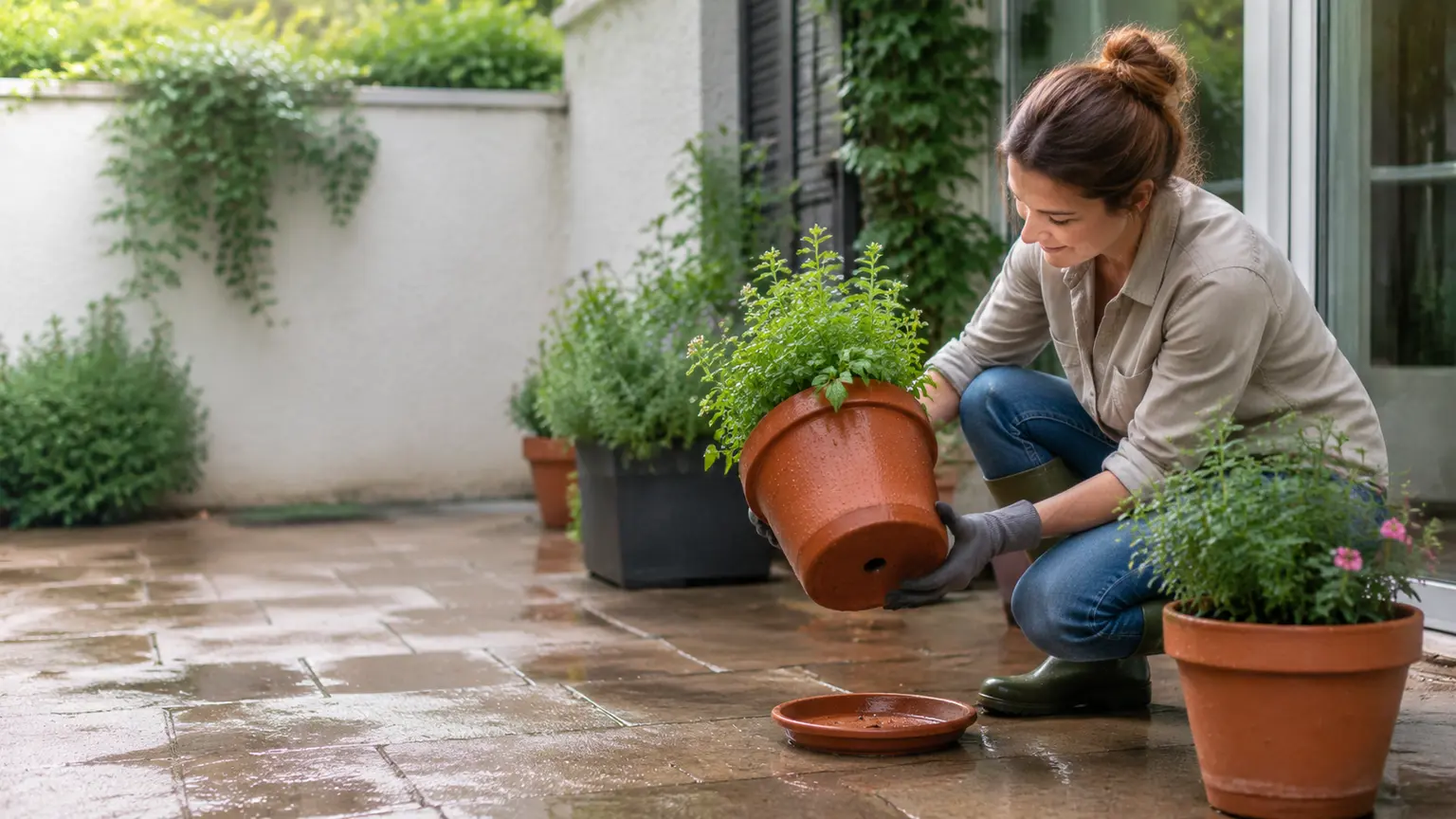
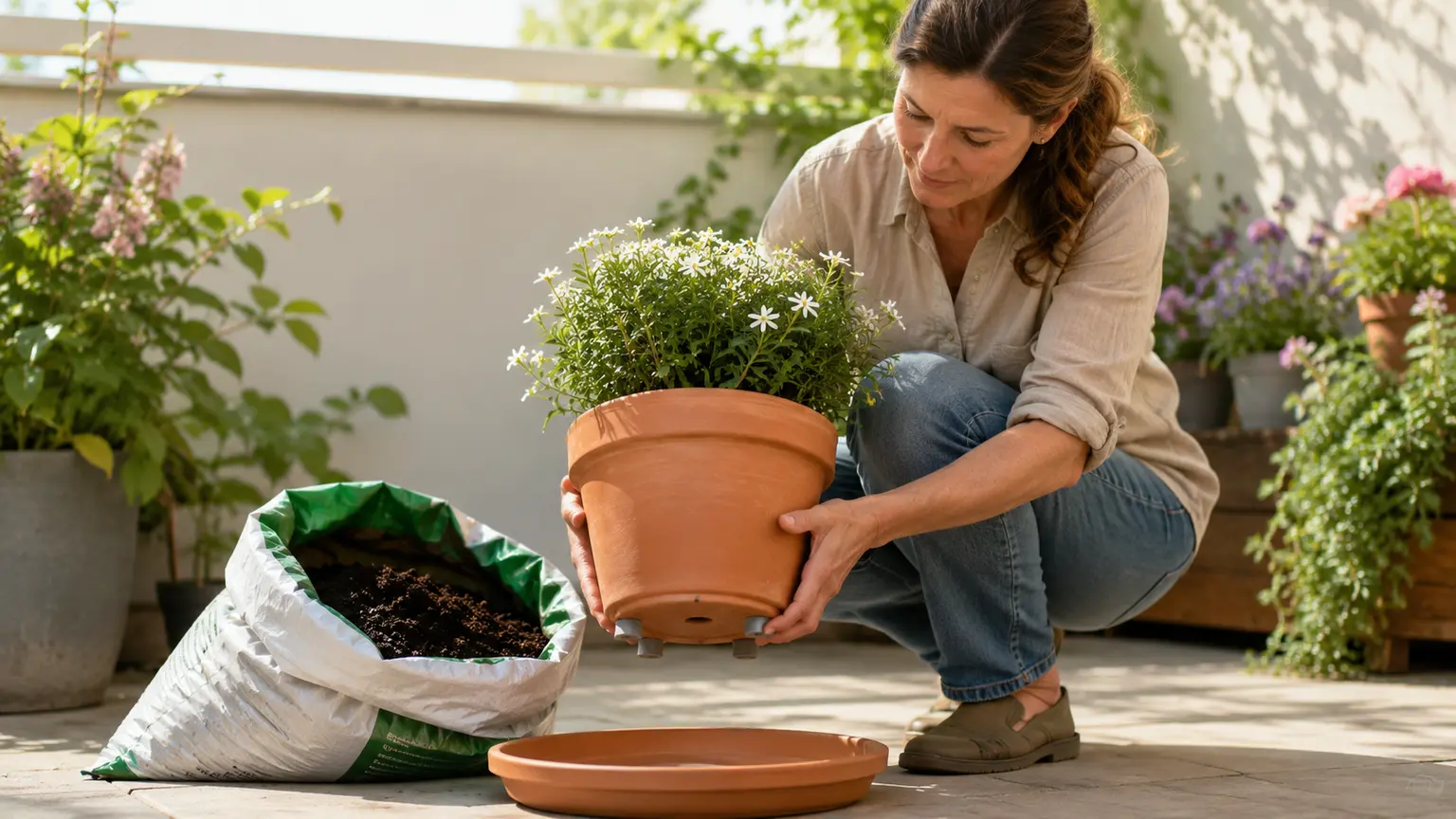
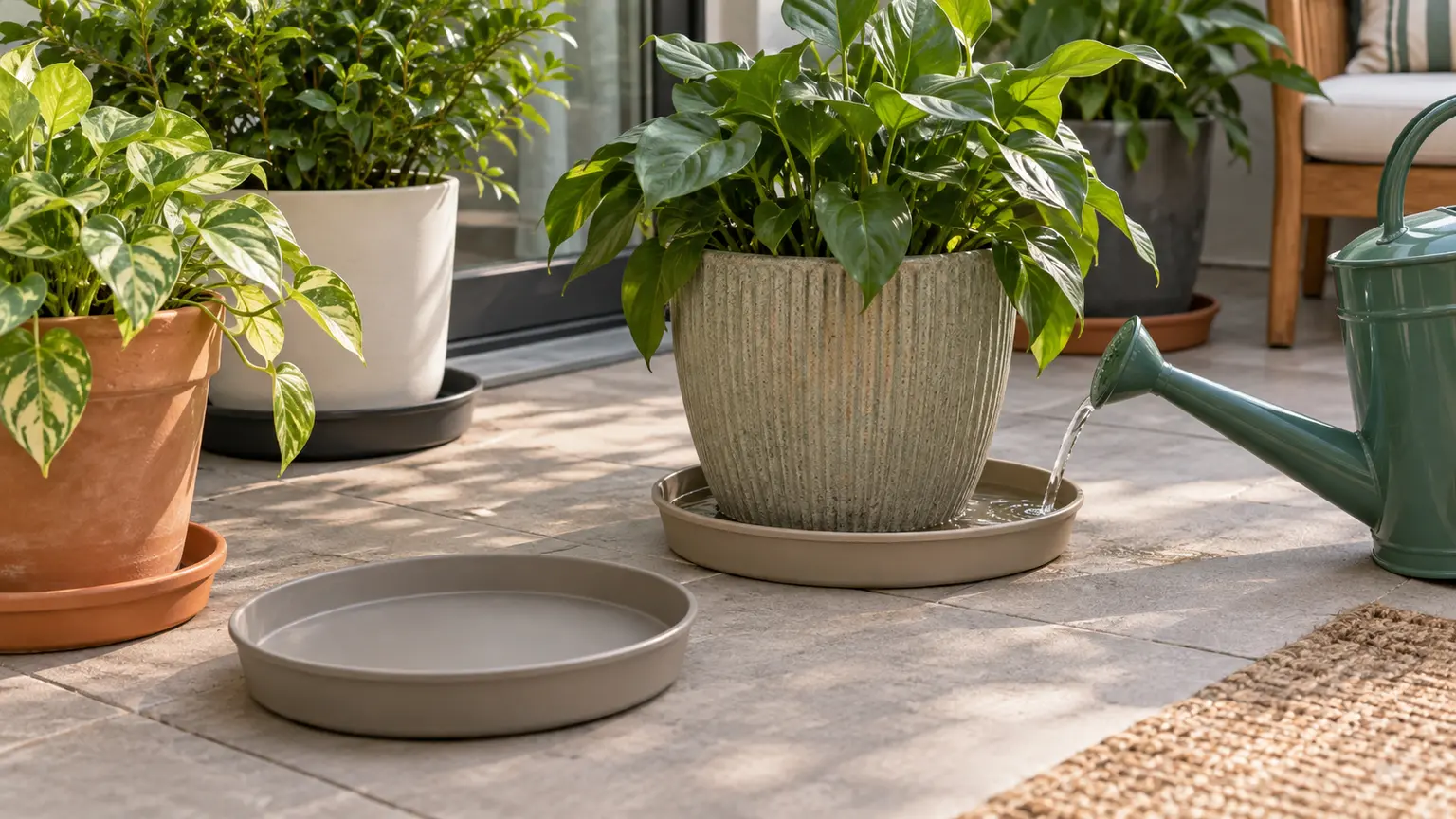
A practical, renter-friendly routine for controlling balcony runoff with removable trays, careful watering, clear disposal limits, and no unapproved structural changes.
Explore the field guide
Climate-smart practices for water, heat, soil, and resilience.
A practical, renter-friendly routine for controlling balcony runoff with removable trays, careful watering, clear disposal limits, and no unapproved structural changes.
Use observed moisture, exposure, wind, and plant condition—not fixed temperatures or a calendar schedule—to protect container plants through extreme summer heat.
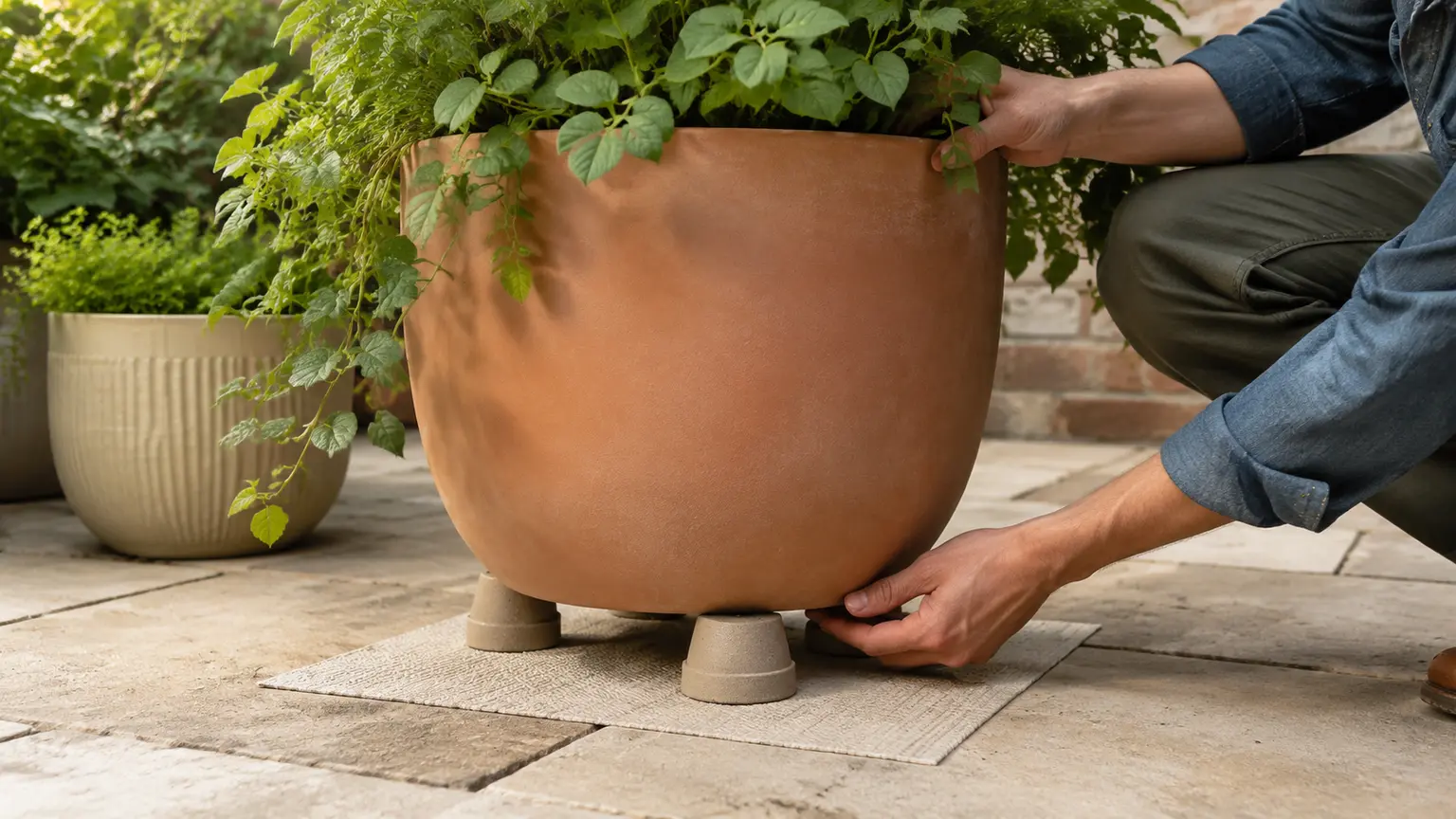
Use stable, outdoor-rated pot feet or risers to lift a patio planter, keep drainage holes open, and make surface care easier—without relying on improvised supports or fixed height rules.
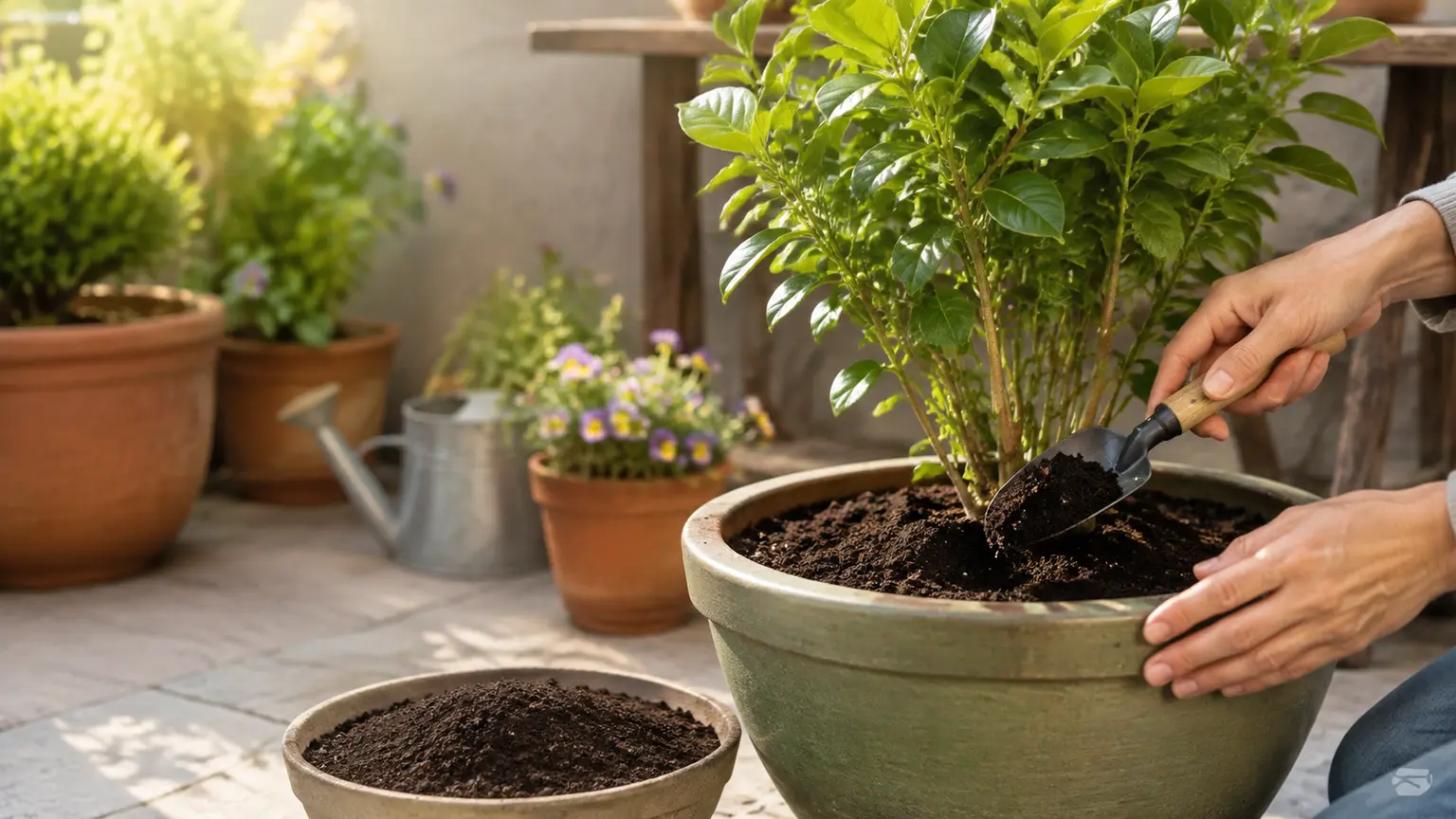
A gentle top-dressing can restore a settled container surface without disturbing an established plant. Learn when it helps, how to protect the crown, and when drainage or root crowding calls for a fuller assessment.
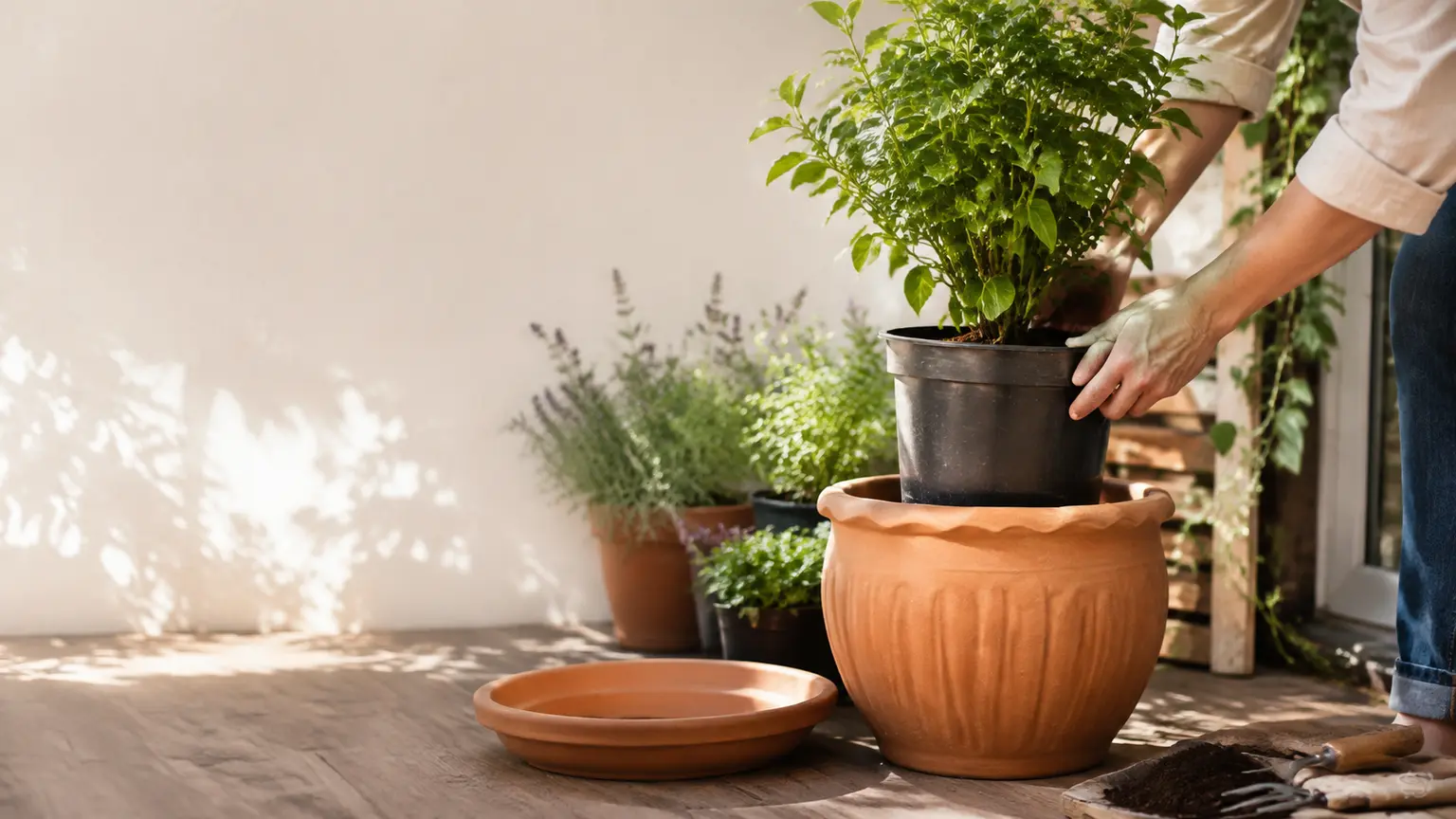
Use a decorative patio planter as a removable cachepot while keeping the plant in a draining nursery pot. Learn how to manage runoff, check moisture, choose a workable fit, and recognize a true self-watering system.
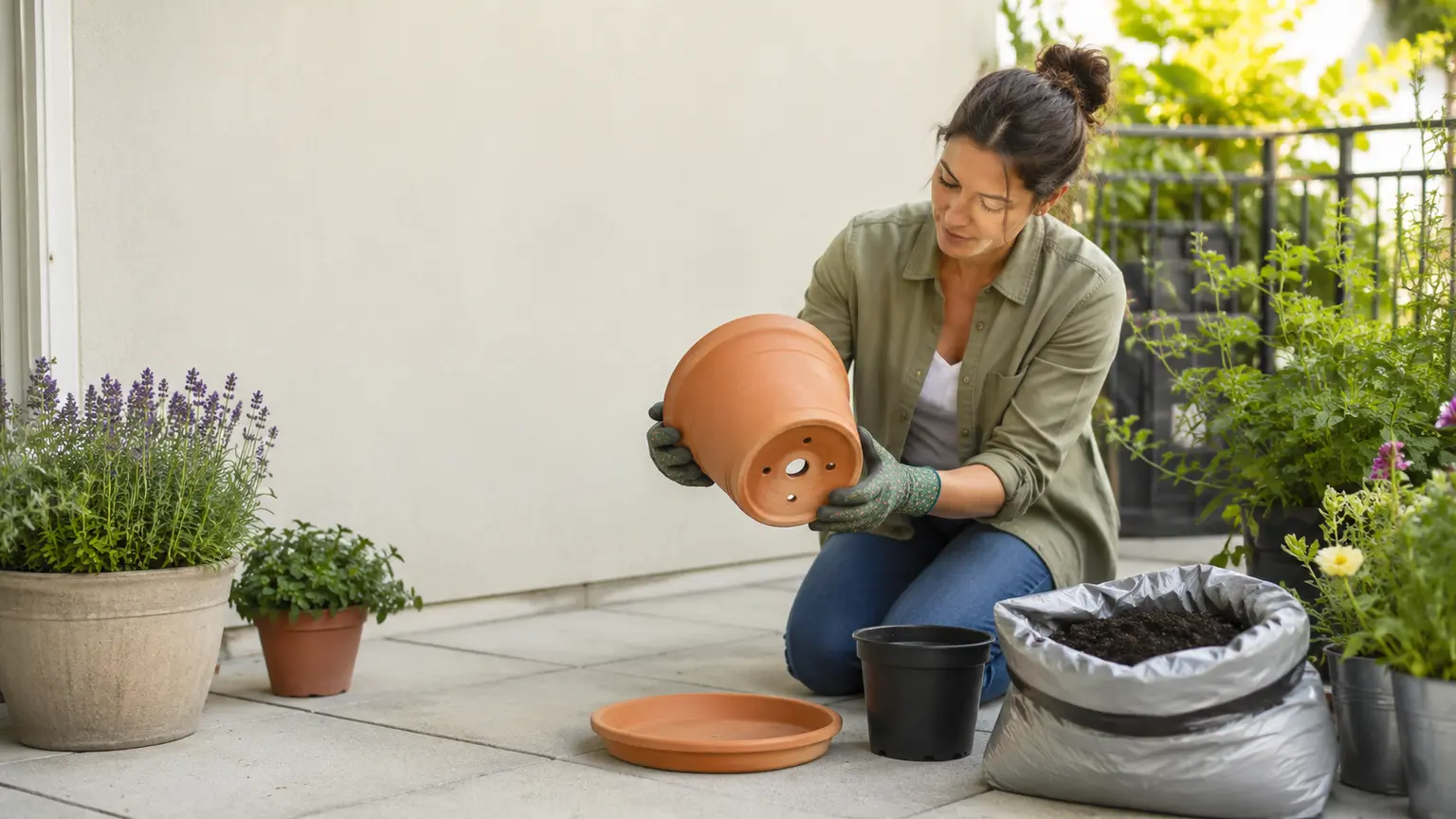
Before filling a patio container, check the growing pot, runoff path, potting mix, and decorative outer vessel. This practical guide helps you spot drainage problems before they affect the root zone.
Use patio plant saucers to protect hard surfaces without turning them into standing-water reservoirs. This practical guide covers drainage holes, pot feet, double potting, rain checks, and plant-specific watering decisions.
Better container drainage starts with an open exit path, suitable potting mix, and plant-responsive watering—not a layer of rocks or broken pots.
Wilt is a clue, not a diagnosis. Use this calm, low-risk check to tell whether a container plant needs water, temporary shade, better drainage, or more root room.